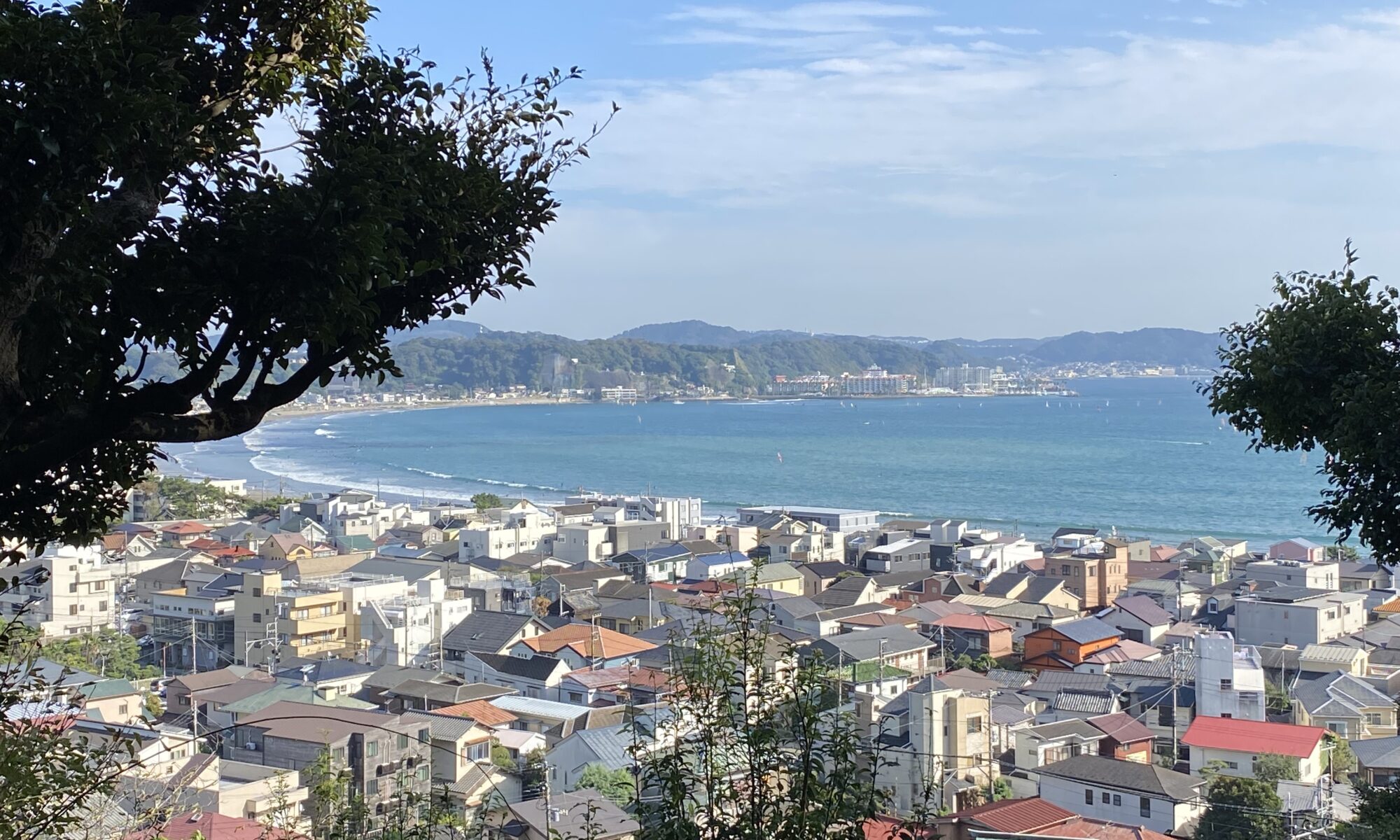
こんにちは!みなさん、お元気ですか?
(Hello everyone! How are you doing?)
For my first post, I talked about what my experiences during my first week in Japan, for this post I will talk about my classes and my experiences with school so far. The first part is just a general overview, and the second part is about field trips so this post will be a bit long.
A semester in Japan and a semester at Linfield are very different. As you all know, the fall semester at Linfield begins at the end of August and ends in mid-December. In Japan, the semester begins in September and ends in February. Since my program is aligned with the Linfield semester and I am the only student from the US, I am the only student in most of my classes. The semester is divided into 3 terms, Sept.4- Sept.29, Oct. 2- Oct.25, and Nov. 6- Nov.29. I have class 5 days a week, Monday through Friday. I have a language class, a vocabulary class, a kanji class, a listening class, and some elective classes. The elective classes are a culture and society class, a law and politics class, and an economics class. The elective class schedule varies by term, so I am not taking all the classes at once. There are 4 periods total per day, and each class lasts about 1 hour and 40 mins. I usually only have two or three periods of class per day, except for Fridays. On Fridays I have classes all 4 periods, so I essentially have a 9-5 school day. It was something that took me a bit to get adjusted to, since I never really had classes on Friday at Linfield nor have I had such a long school day since high school. My elective classes are fully in English, and other Japanese students are welcome to join the class. In my Law and Politics class and in my Economics class there are Japanese students taking the course as well. In the language courses, I am the only student. This has made it a bit difficult to make friends.
For my language classes, we use the same Genki textbook as Linfield, and the lessons picked up from where they ended at Linfield. I have learned that I am great at kanji and not very good at grammar or vocabulary. I am also given practice tests to prepare for the JLPT test that I will take in December. Out of my elective classes, I think that the culture and society class is my favorite. I have an interest in societal issues, and since I am the only student in that course, my professor allowed me to choose topics of discussion that I am interested in. We have covered various topics including religion, gender roles, LGBTQ+, discrimination, and pop culture. The professor for the course, Ms. Bond, is American and she has pretty much been like a mom for me during my time here. Whatever question I had, I knew I could rely on her and I think that it really helped me with getting adjusted and comfortable with living in Japan.
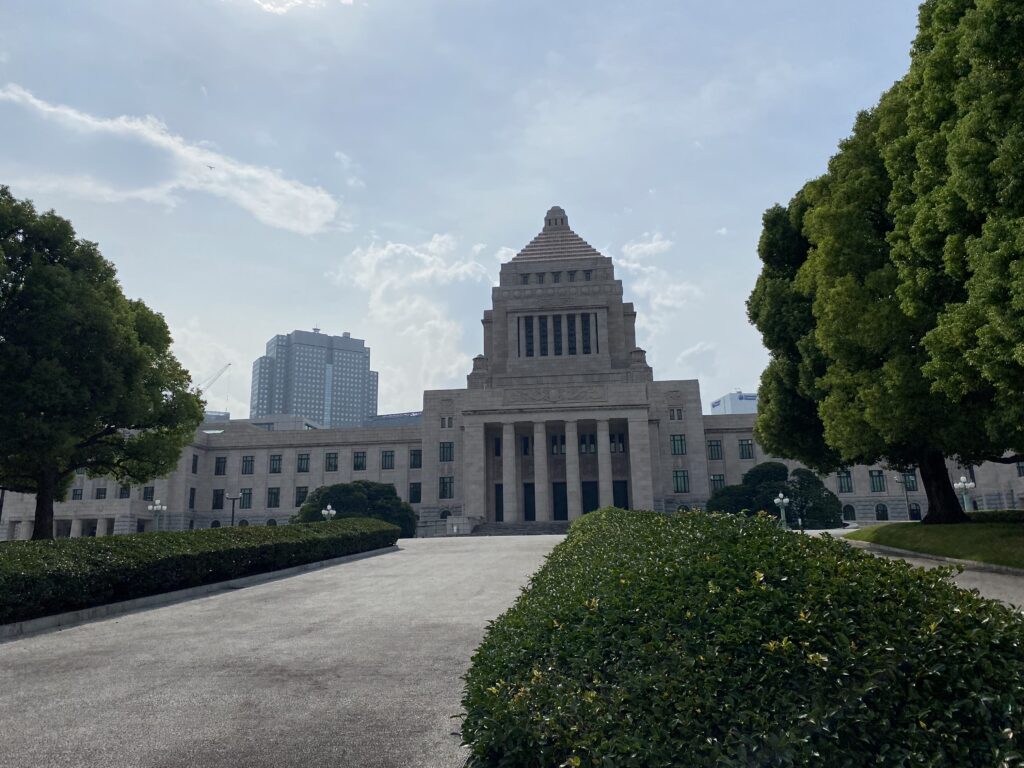
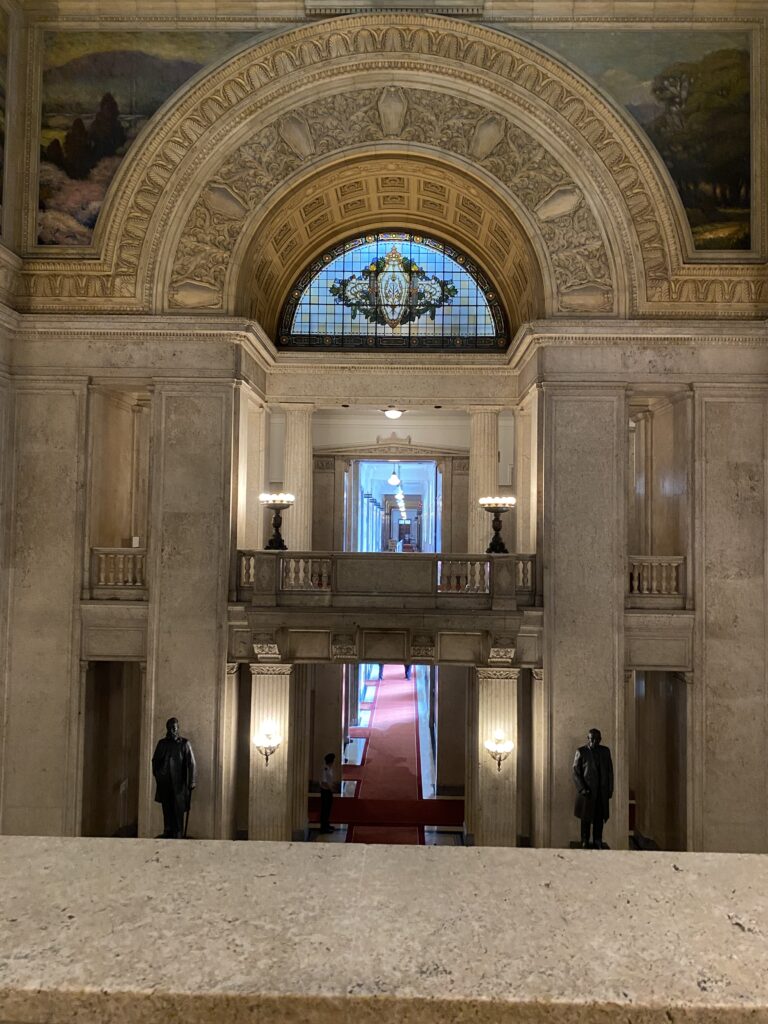
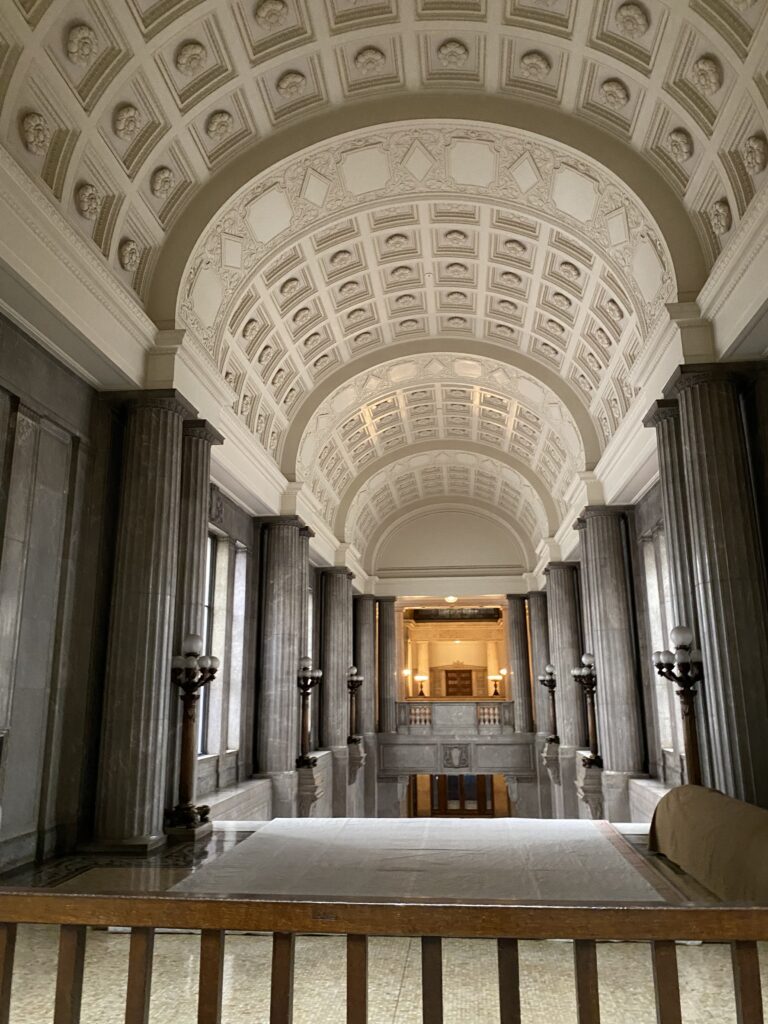
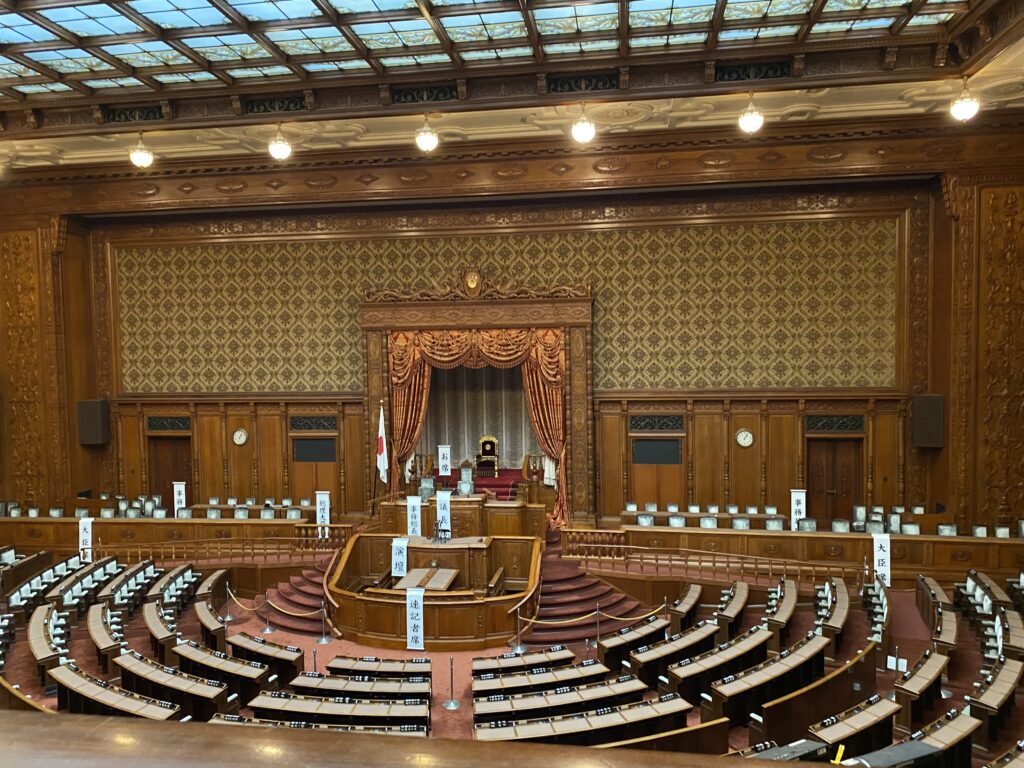
For each of my elective classes, I have had a scheduled field trip. My first field trip was for my Law and Politics class. On September 20th, we went to Tokyo and visited the Tokyo District Court and the National Diet building. At the Court, we got to watch a case in progress. Since it was in Japanese, I did not understand much of it, but I did get the general idea of what was going on. There was a jury and 3 judges present. The defendant was a repeat offender, so they were pleading guilty but trying to get a lower sentence. According to my professor, it was a somewhat boring case, he was hoping for a case that would be more dramatic. I think the highlight of the field trip was visiting the National Diet. We got a tour of the house of representatives, though I don’t quite remember if it was the lower or upper house. It was cool being able to be inside a building that I had otherwise only seen on television and in pictures.
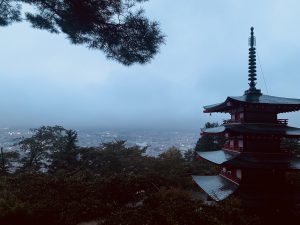
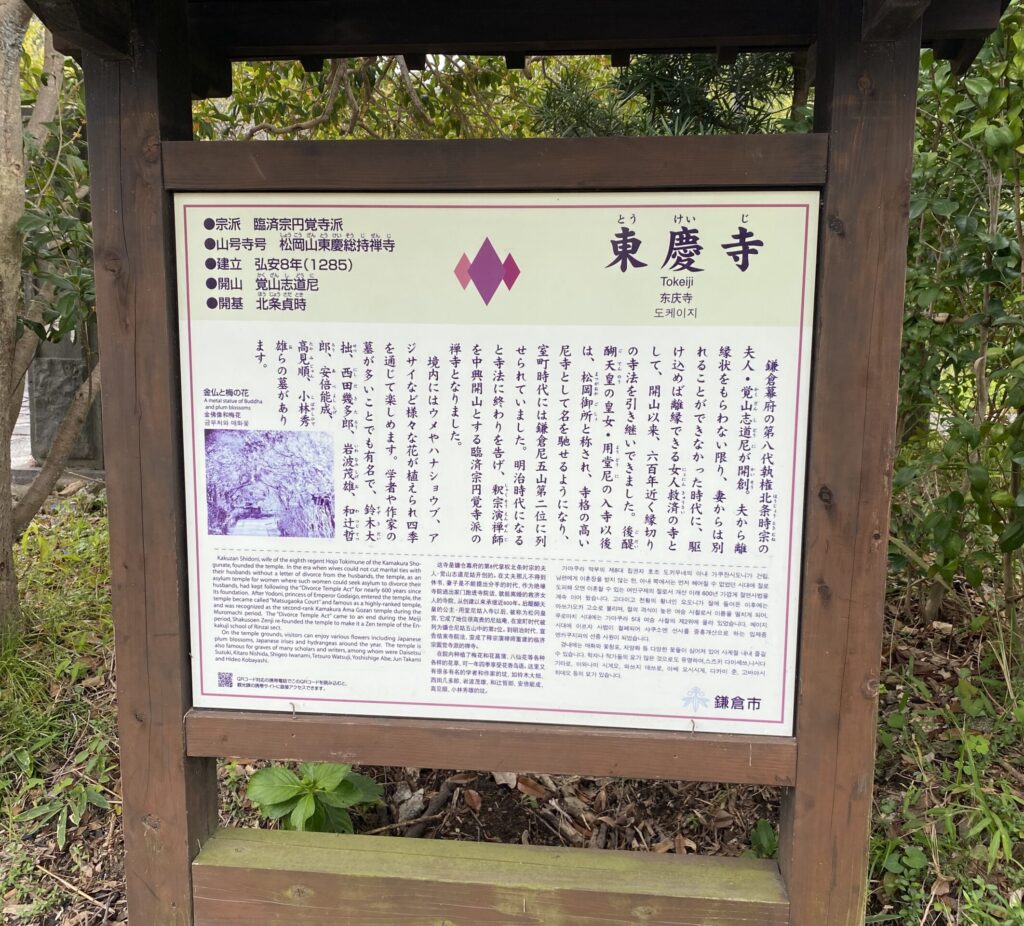
For my culture and society class, my field trip was a “Study Tour” weekend in which we went to Kamakura and Hakone. The first day took place on October 14th at Kamakura. We went to the Tokeji Temple, Zeniarai Benten Shrine, Hasedera Temple, and Kotokuin Temple. The theme of the day was “harmony” and how it could be found in the different temples and shrines. Unfortunately, I was not allowed to take pictures inside Tokeji, but the harmony that I observed there was between nature. The Tokeji temple served as a refuge for women, so the fact that the temple has much greenery and plants makes sense once you realize the historical significance of the temple. Here is a website if you would like to know more about its history, https://www.japan-experience.com/all-about-japan/kamakura/temples-shrines/tokeiji-temple .
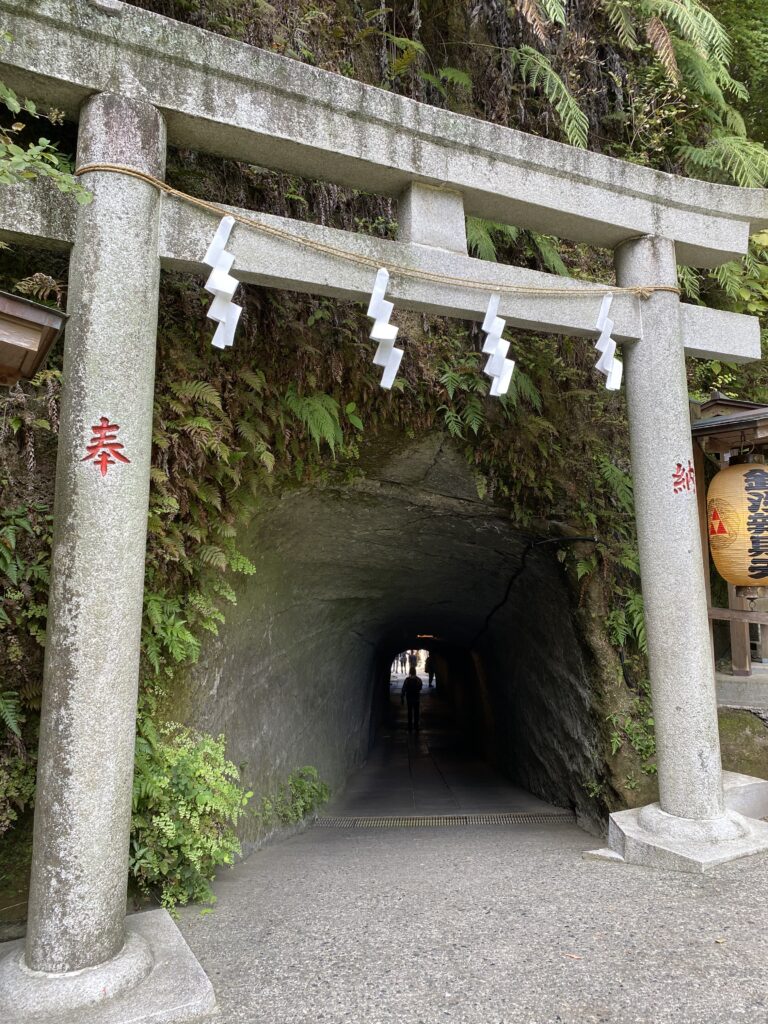
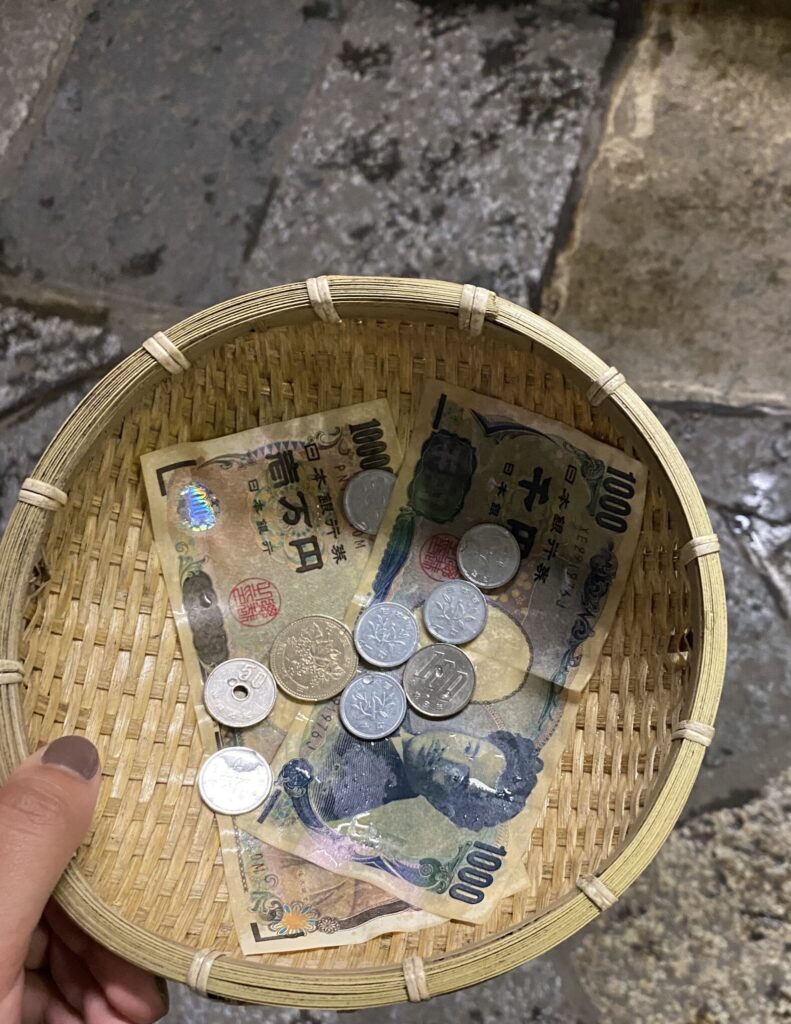
After Tokeji, we went to the Zeniarai Benten Shrine. It is a popular shrine that locals, especially local business owners visit and wash their money in the spring water with the belief that it will duplicate. Something interesting that I noticed that began with this shrine was that many of the shrines and temples have aspects of both religions. For example, shrines may have some Buddhist statues, while temples may have some torii gates.
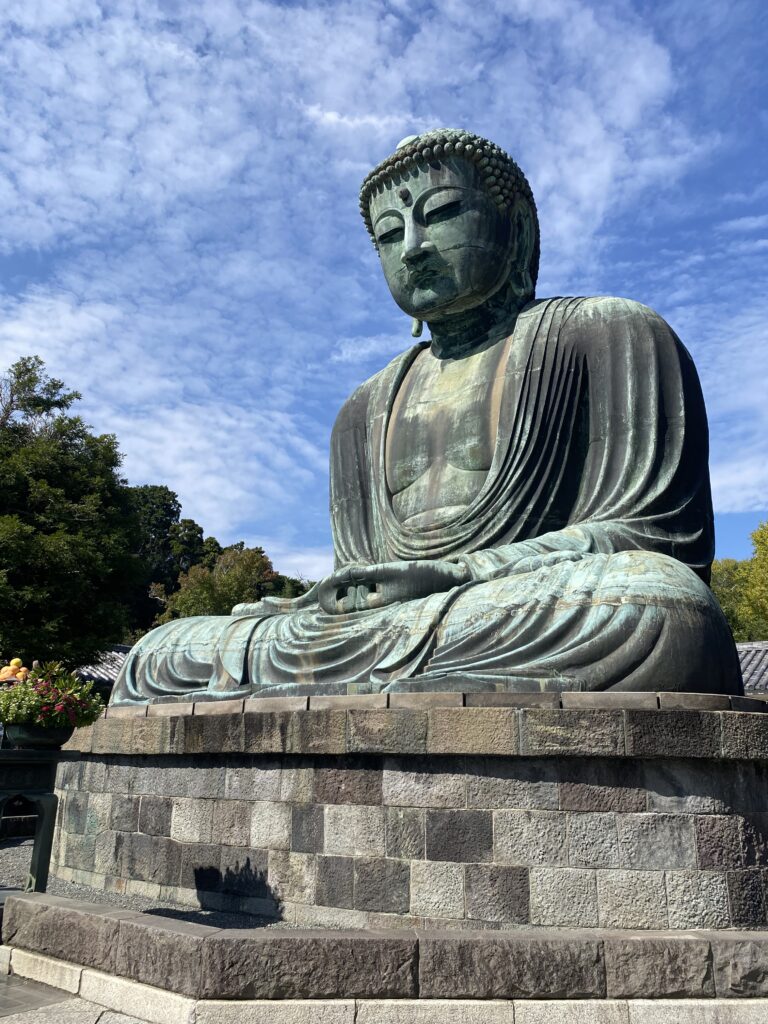
We had a quick lunch break and headed to the Kotokuin Temple. I would say that the Kotokuin Temple is one of the most popular attractions in Kamakura, if not the most popular. It is where the Great Buddha (Kamakura Daibutsu) is located. It was a pretty amazing sight, and I was surprised to find out that you can actually go inside the statue, for some reason I had thought it was a fully solid statue.
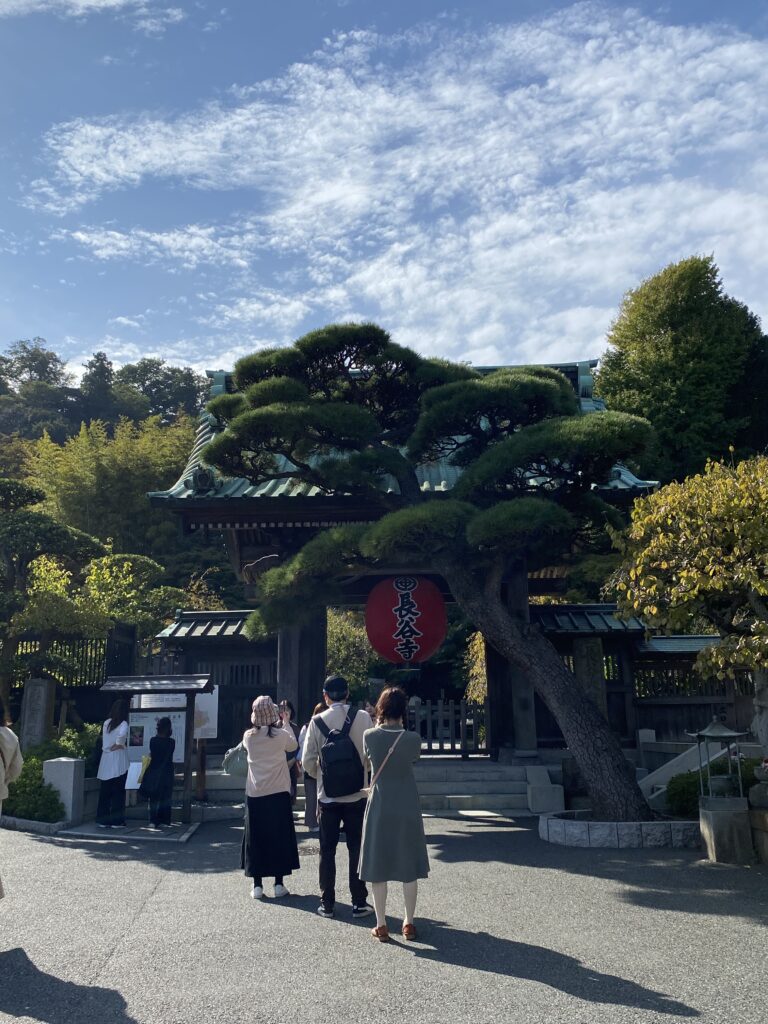
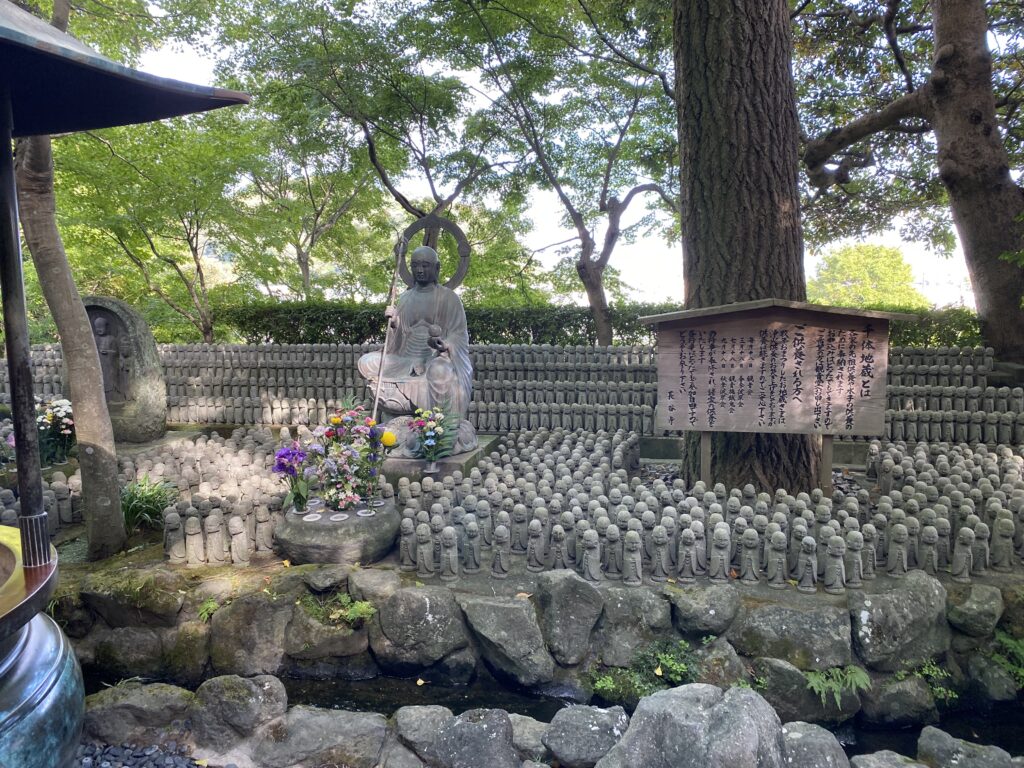
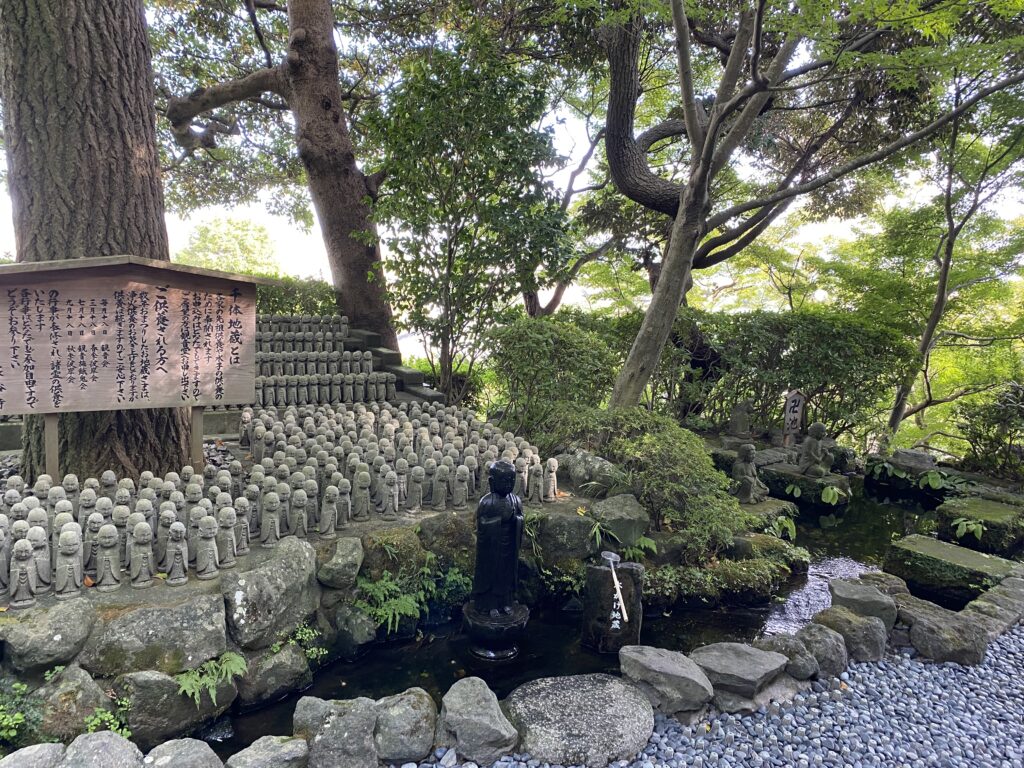
Lastly, we went to the Hasedera Temple. I think that this temple was the one that left the biggest impression on me. The Hasedera Temple is essentially dedicated to children, so people who have experienced miscarriages or the loss of a child often go to that temple. There are hundreds of Jizo statues scattered throughout the temple, each representing a child. In Japanese, the term for a child or fetus that was aborted or miscarried is mizuko, which means water child. Once my professor explained this to me, the little body of water where the Jizo statues were, made a lot more sense. I think that the current situation in the US with Roe v. Wade contributed to the impact that visiting this temple had on me personally. I think that the background is also significant because I got to learn more about the Buddhist perspective on abortions and miscarriages.
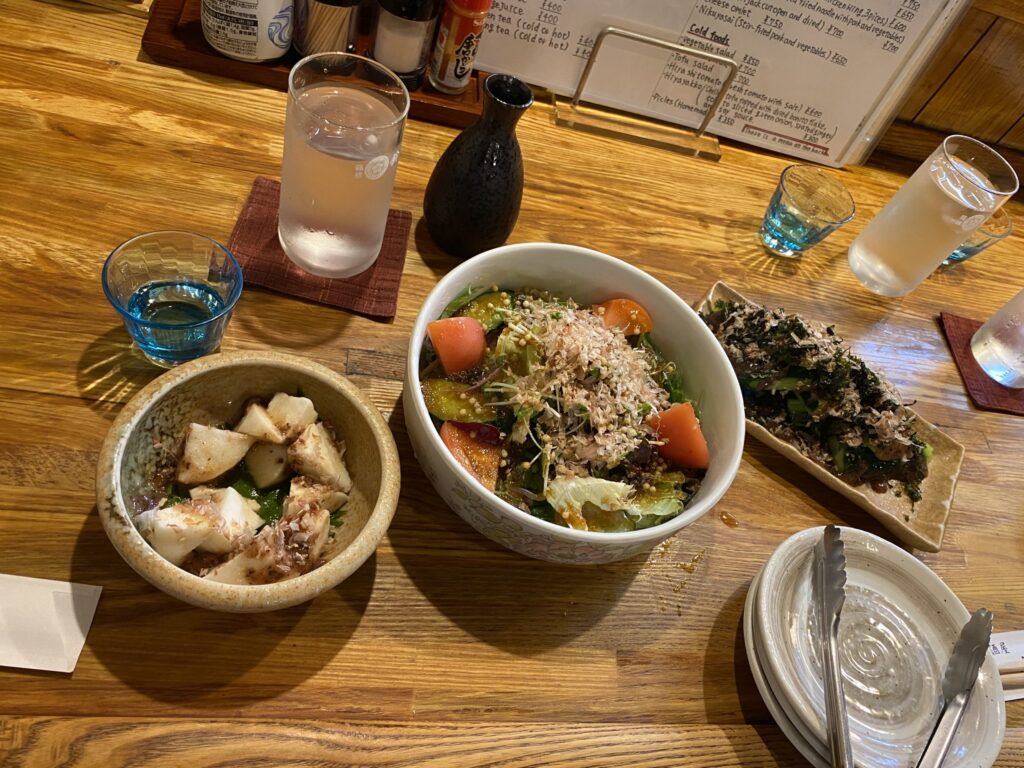
Finally, we headed to Hakone, where we checked into our hotel and set out to find dinner. Most of the restaurants were closing soon after we arrived, so we decided to go to an Izakaya, which is like a Japanese-style pub. People usually go to Izakayas to talk, drink, and share a meal together. The legal drinking age in Japan is 20, and this was my first time going to an Izakaya. We sat at the counter and my professor explained that the location seemed to be pretty popular with the locals. There was a cabinet full of bottles with tags on them, apparently regulars who go frequently can purchase a bottle for themselves to drink out of each time they go. I tried Japanese Sake for the first time, and we had a variety of dishes. My professor joked about how in an American bar, you would never eat food as healthy as the one in a Japanese Izakaya. It was a great experience.
Day 2 took place in Hakone, with the theme being hospitality. Hakone is known for being a hot springs resort town from which you can see Mt. Fuji. It also has switchback trains, with one of the steepest climbs/descents for a conventional railway line in the world. We went to Ashinoto Lake, Owakudani Sulphur Mt., and the Hakone Open Air Museum.
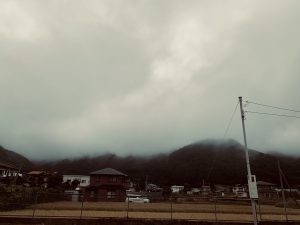
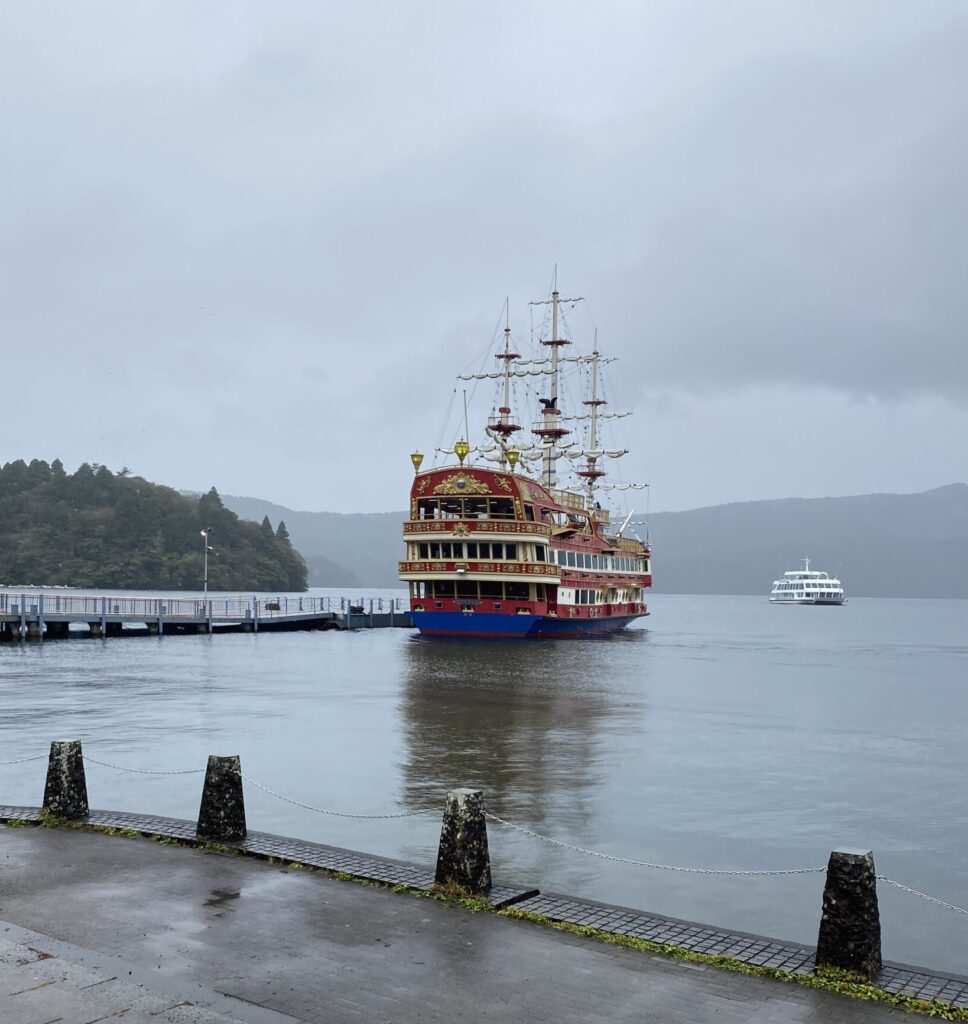
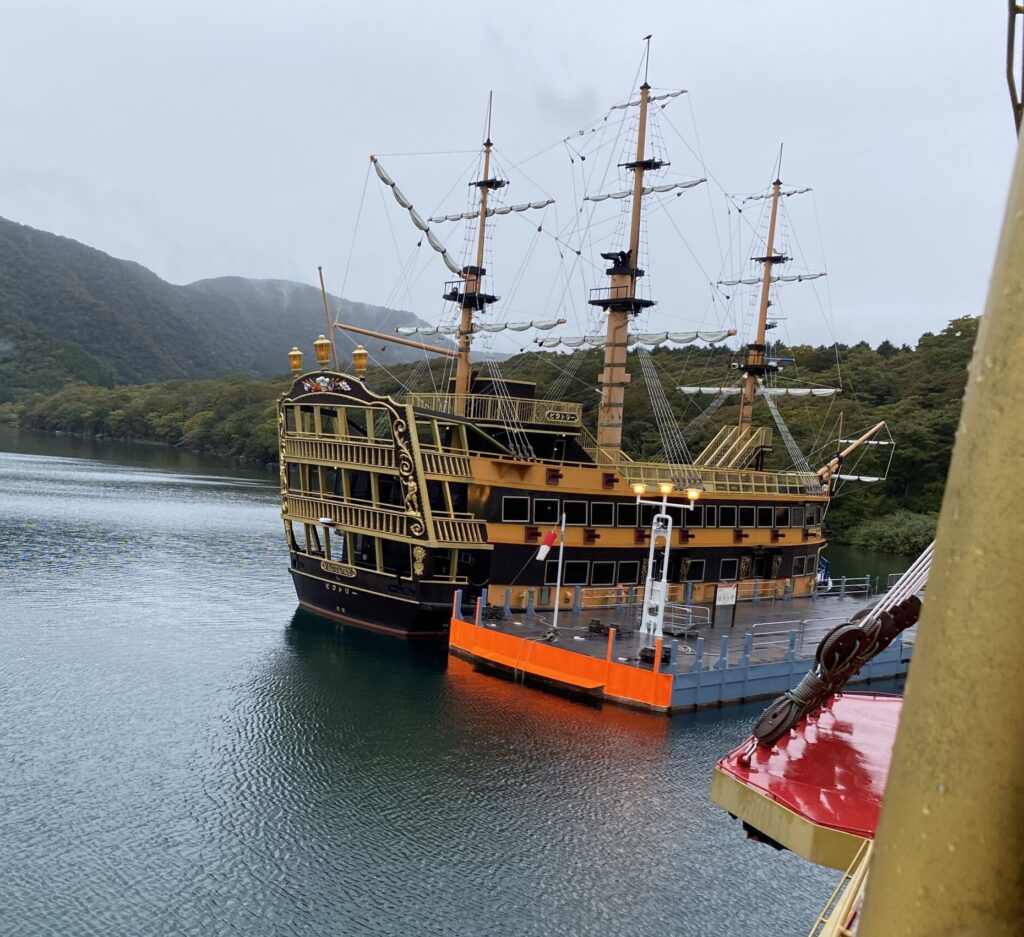
The weather was not in our favor for the whole trip. On this second day, it was a bit rainy in the morning and then it turned sunny around halfway through the day. Despite the light rain, I had an incredible experience at Ashinoto Lake. I got to ride a pirate ship. Ideally, if the weather had been sunny, I would have been able to see Mt. Fuji. Either way, I really enjoyed the boat ride.
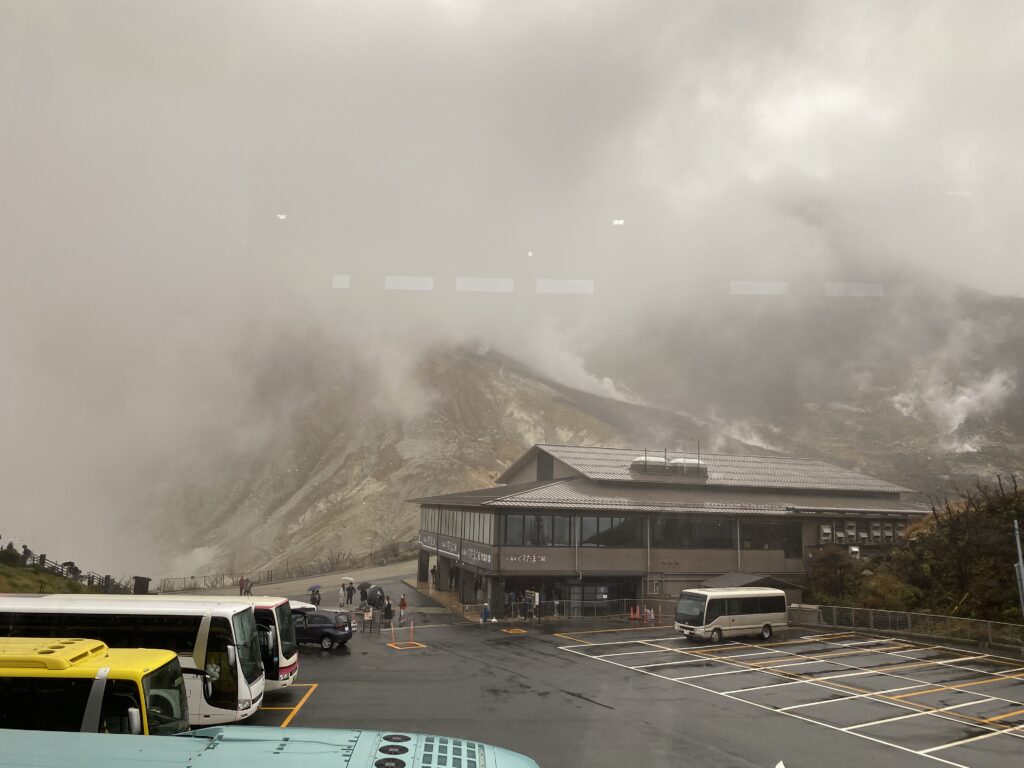
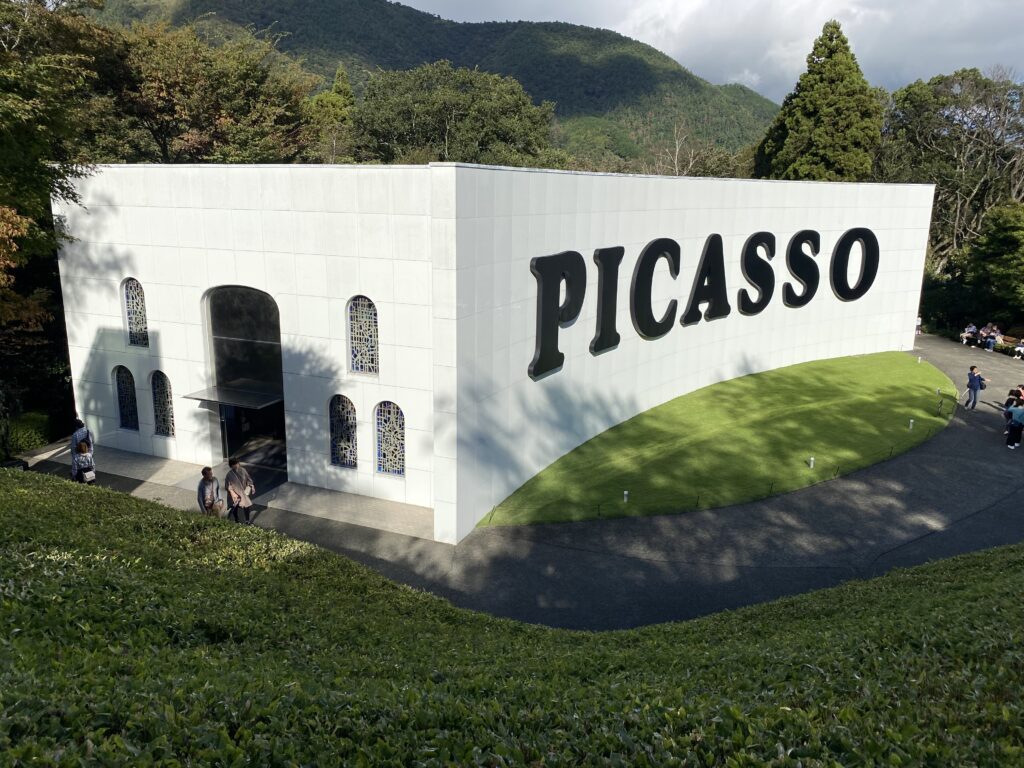
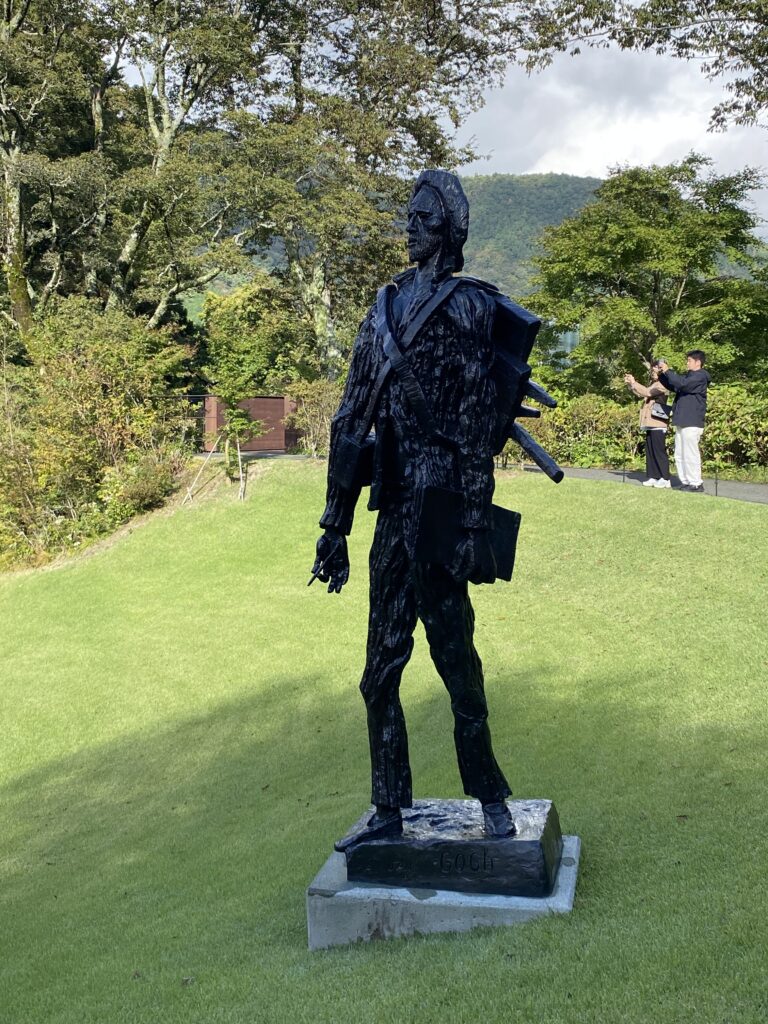
After the ride, we headed up to see the Owakudani Sulphur Mountain. The smell of the sulphur was very strong, and the clouds of it mixed with the cloudy weather made for a limited range of visibility. There was a geology museum, though I decided not to go because the amount of sulphur I was breathing was starting to make me feel a bit sick. The last stop was the Hakone Open Air Museum. It is an art museum that has a variety of different statues by different artists. There was also a pavilion exhibiting art by Picasso. To be quite honest, although I had always heard about Picasso, I was never really familiar with his art until this day. I wasn’t allowed to take pictures inside, but I definitely learned quite a lot about his art after visiting the pavilion.
Overall, I really enjoyed the study tour and I think it has been one of the highlights of my study abroad experience so far.
Sorry for the long post, またね (see ya)!
Cindy B.





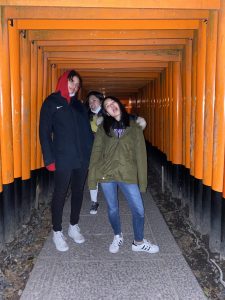
 After Nara we drove to Kyoto! The first thing we did was hike up to the top of the Inari-San. The hike wasn’t hard and was about an hour, it was funny because there wasn’t any view of the city from the top that we could see (there was an observation deck at the top but it was closed because we decided to do a night hike). During the day there are shops open so you can eat snacks while you walk, but I preferred the night walk because of the quiet and the wind through the trees. It was very peaceful, but kind of scary if you don’t like the forest, or wild monkeys and boars.