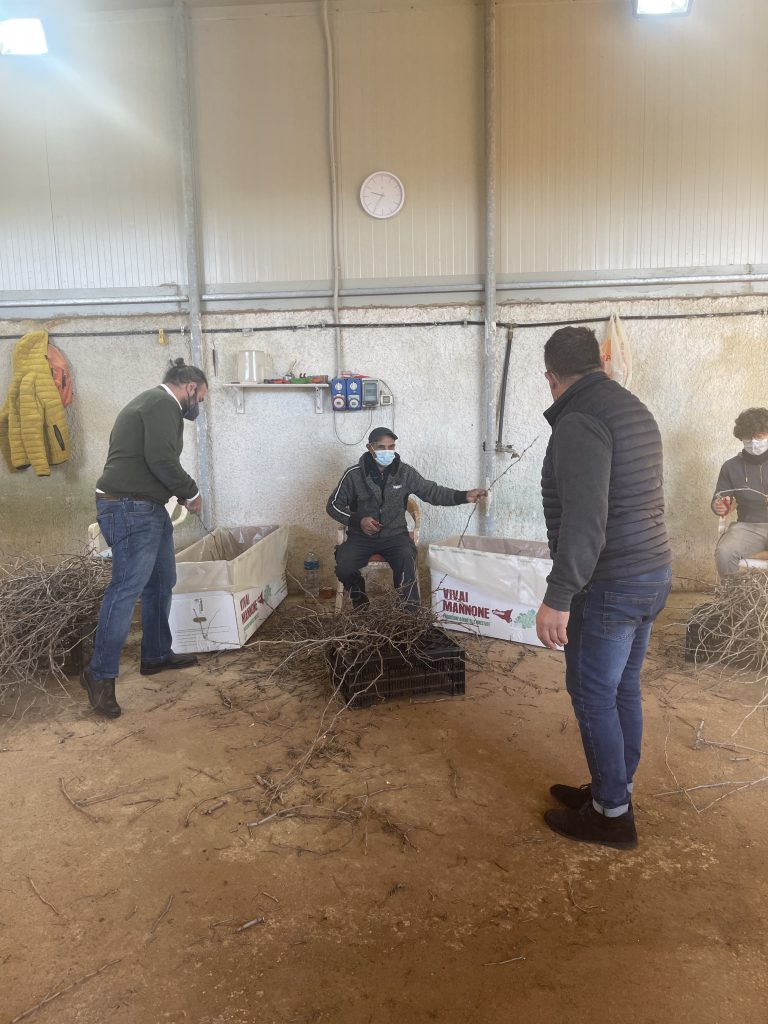
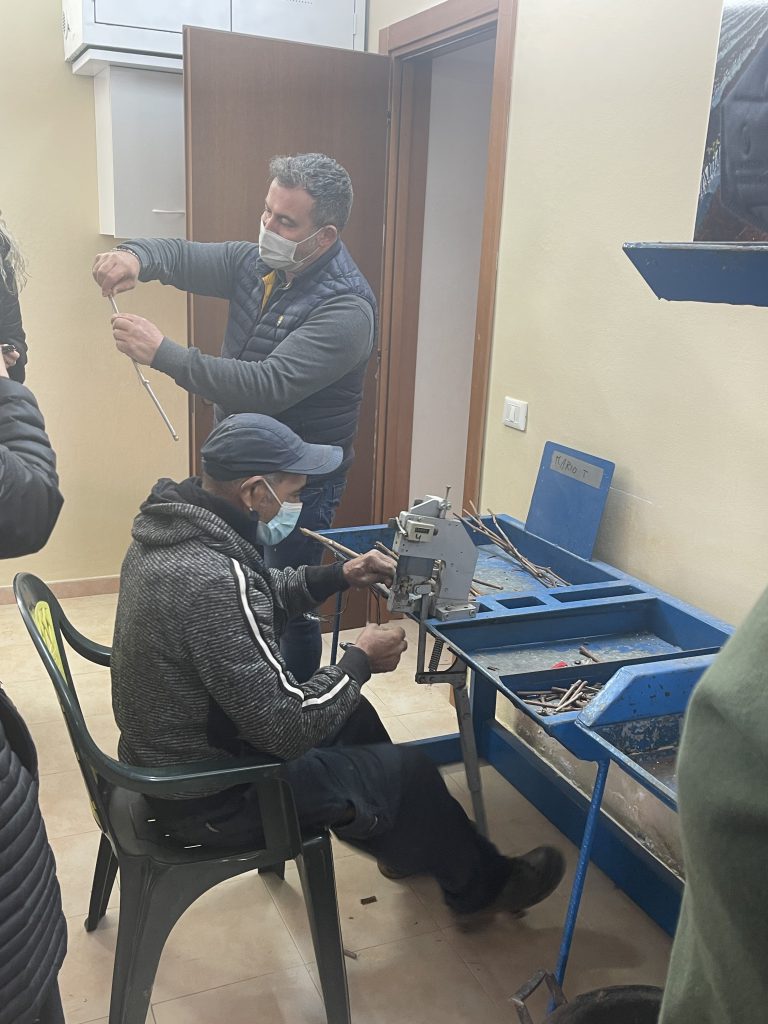
We got to see the method in which they cleaned the vines and cut them. After they are all set and properly taken care of the vines are grafted together using a machine that creates a puzzle-piece-type cut in the vine and the rootstock to ensure the best outcome. After they are grafted the vines are cultivated in a regulated room to start growing, after about 10 days they are moved into the vineyard where they establish roots. Once the roots are establishing the vines are analyzed for their growth then dipped in a specific color of paraffin to be sold. We as a group were also welcomed to try and graft our own vines with the machine they use!

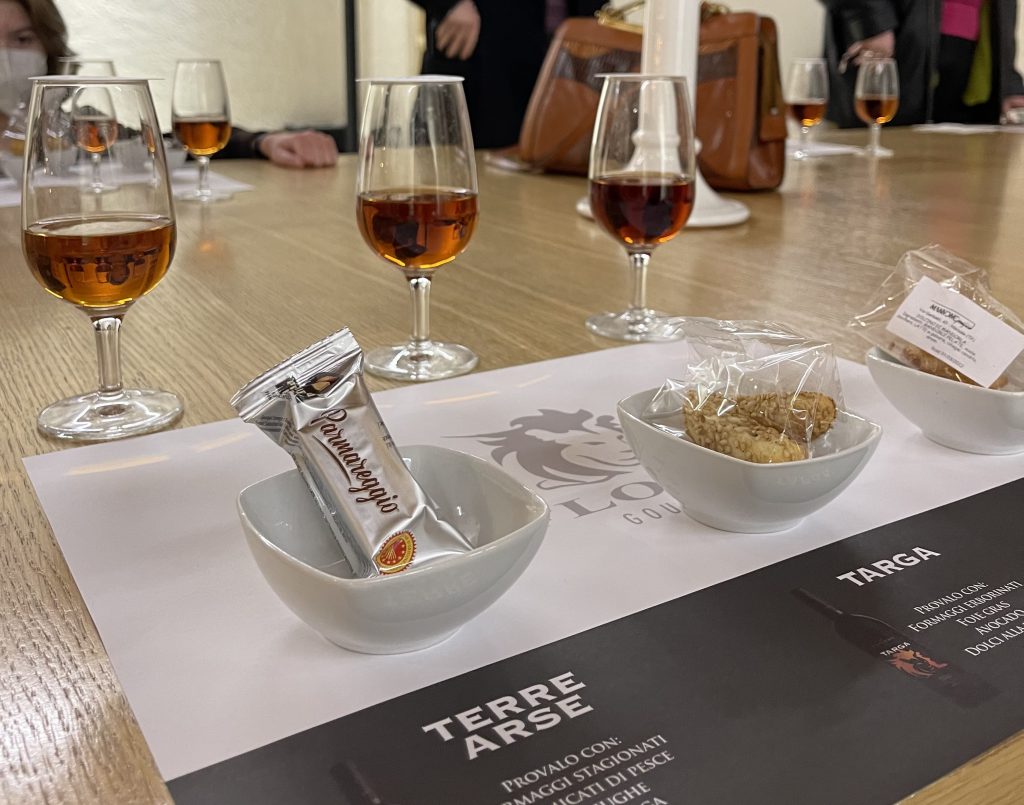
After the tour, we were able to taste three of their wines: Marsala Fini, Superiore Reserve from 2006, and Superiore. Each of the Marsala was unique in taste and flavor profile. The different types of wine are based on their time aging and the amount of boiled and concentrated grape must (unfermented juice) added to the blend.
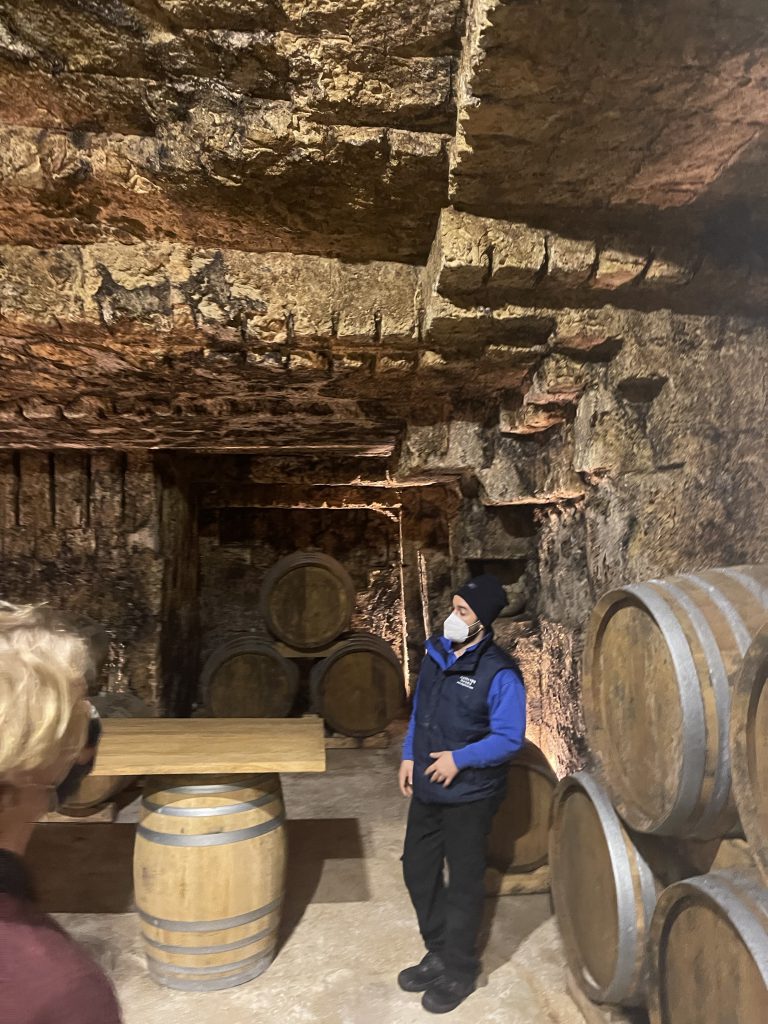
Next, we headed out to our last destination of the day Alagna Marsala Winery for a tour of the winery, lunch, and a tasting. Our tour of the grounds started with us meeting owner, who told us about the history and genral information of the winery. Alagna was founded 75 years ago in 1946, and has been a family business ever since, in its third generation now. The winery itself is around 3400 hectoliters producing 1,400,000 liters of wine. Something interesting I learned is that the temperature in the natural caves under the winery stays the same all year. One of the most fascinating parts of the winery tour was when they took us down to a 1,000-year-old“cave” were they blend Merlot, Nero D’avola, and Syrah for 6 months in oak wood. They use this “cave area because it keeps cool all year and the humidity levels are perfect for the aging barrels.
 After tour we had a three-course meal all paired with wine. The appetizer consisted of olive oil with bread, pizza, salami, cheese with orange blossom honey, olives, and toast with olive spread all paired with the wines from the winery. After the appetizer we had arancino, which is a Sicilian delicacy made with rice, vegetables, and a tomato and meat sauce traditionally. Lastly, we had a baked pasta to finish the main course. Dessert was oranges with one of the sweetest Alagna Marsalas poured on top, cannoli, sesame biscuit, candy biscuits and a 1,000-year-old Sicilian dessert of traditional bread soaked in Marsala. The wines that we were paired with the meals were threetypes of Marsala, Grillo, Syrah, Lanni, Vermouth, Zibbibo, Mascato, and a variety of Marsala-based cremes.

After a full day of exploring the wine region and getting to taste some of the best wines in the world, we decided to see a salt farm on the coast. Sadly, the facility was closed, but we did get to explore the area and see the areas where the cultivate the salt and how they produce it. Our guide told us that they harvest the salt through evaporation over time. The saltwater gets pushed in from the sea into the calderas where the water gets trapped and slowly evaporates leaving behind fresh crystals of salt to be harvested and sold. Fun fact about the evaporation process: you can tell how much evaporation has occurred based on the color of the water- the pinker it gets the more it has evaporated.
