Deprecated: Function WP_Dependencies->add_data() was called with an argument that is deprecated since version 6.9.0! IE conditional comments are ignored by all supported browsers. in /chroot/home/a1e0f025/dab19c68f8.nxcli.io/html/wp-includes/functions.php on line 6131 Deprecated: Function WP_Dependencies->add_data() was called with an argument that is deprecated since version 6.9.0! IE conditional comments are ignored by all supported browsers. in /chroot/home/a1e0f025/dab19c68f8.nxcli.io/html/wp-includes/functions.php on line 6131

Our Last Day in Sicily

Today’s post was written by Senior Daisy Tapia-Gonzalez, a Management major minoring in Wine Studies.

We started off the day with a visit to Tenuta Rapitalà, a winery located in Eastern Sicily and (to our surprise) run by a Count named Laurent Bernard de la Getanais! We learned that the qualities of the area, the landscape, the weather conditions, and other natural elements are significant in producing high- quality wines. We also learned the appreciation and importance of increasing organic farming techniques at both the vineyard and the cellar.

We began our visit with a tour of the vineyard and learning a few viticulture facts shared by Professor Antonino Pisciotta from the University of Palermo Department of Agriculture, Forestry, and Food Science. The winery had approximately 544 acres of land, of which 396 was dedicated for grape growing and the rest for olive trees and uncultivated land. We learned that thevineyards were characterized by having two prominent types of soils: clay and sand. These soils help both red and white varietals thrive in Mediterranean climate conditions and in the uniquelandscape where the vineyards are located. As we were walking, Professor Pisciotta also explained the double cordon as a vine training system and the use of manual and machine labor for harvest.
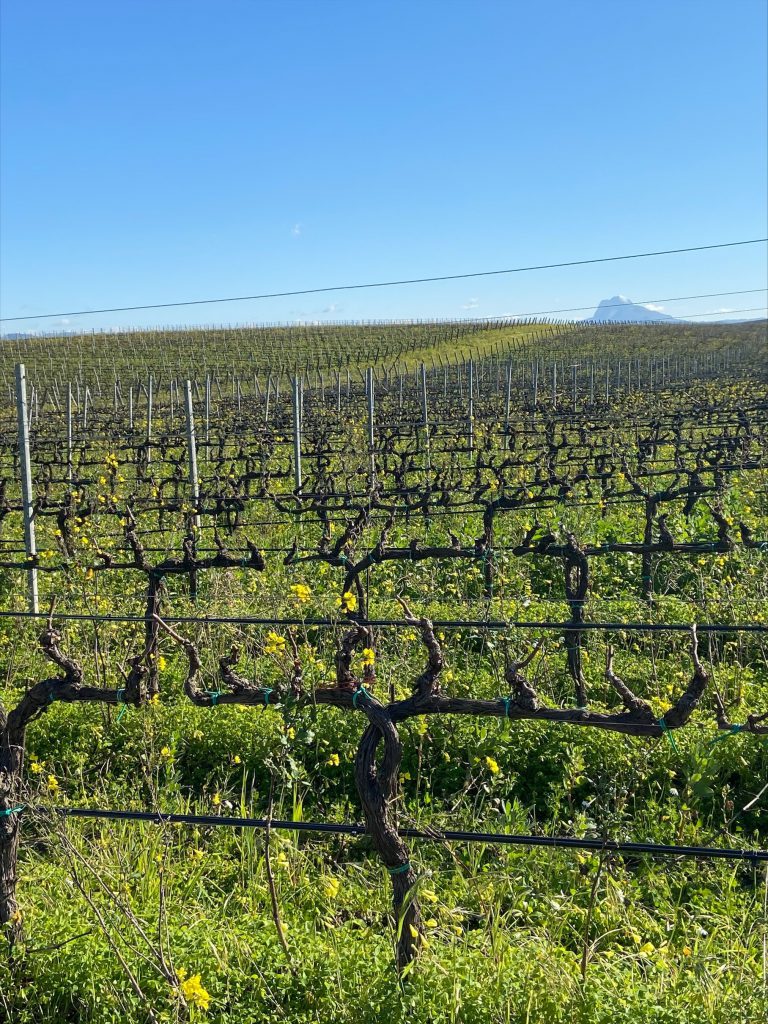
Trellised grapevines with a tip of a mountain in the background in Sicily.
The double-cordon trellising system.
After we visited the vineyard, we moved to the cellar to learn more about the winemaking process at Tenuta Rapitalà. Prof. Professor Antonino Pisciotta explained that the winery not only uses grapes collected from the vineyard (60% red and 40% white), but also buys grapes from other local vineyards. The wine is fermented in stainless steel tanks where the must (grape skins)is left for 46 hours. After, the wine is either stored in those tanks or aged in French oak barrels.
Inside a winery lined with steel storage tanks for wine fermentation.
Wine fermentation and storage tanks at Rapitala, in eastern Sicily
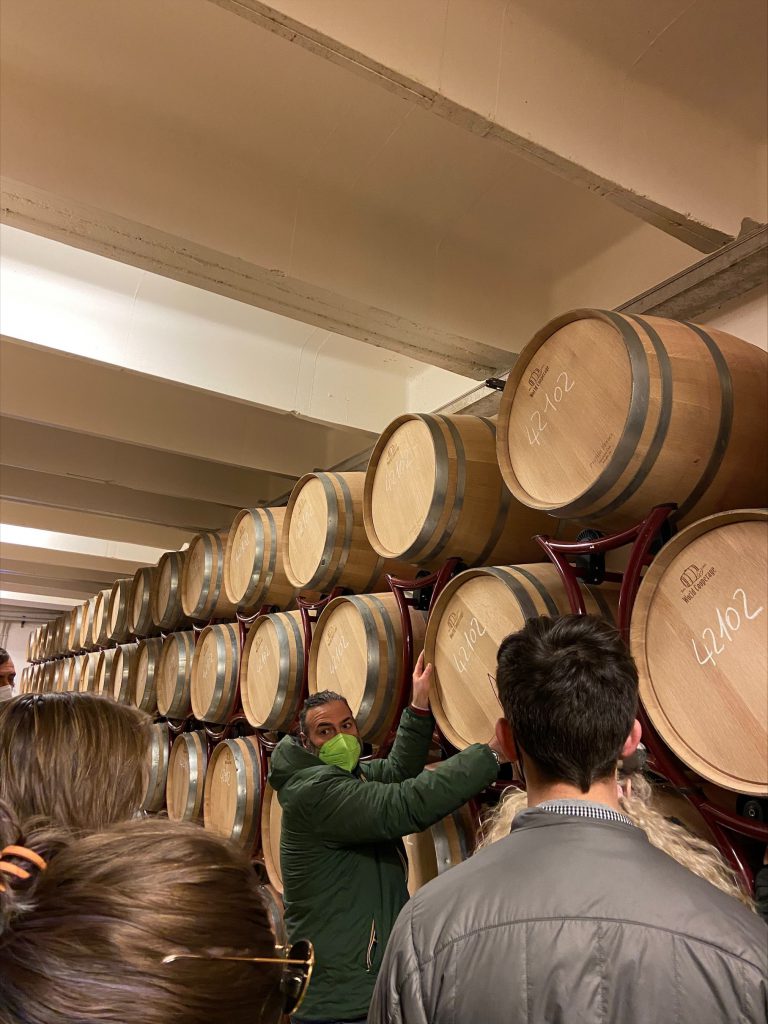
Winery in Sicily lined with French oak barrels.
Professor Antonino Pisciotta explains the role of French oak barrels

The process of making wine requires hard-work, effort, and analysis. We visited the wine lab located inside the cellar, where we observed technicians’ examples of their experiments and blending samples. This part was emphasized as essential in order to explore the different needs ofthe consumers and choose the kind of wine to create.
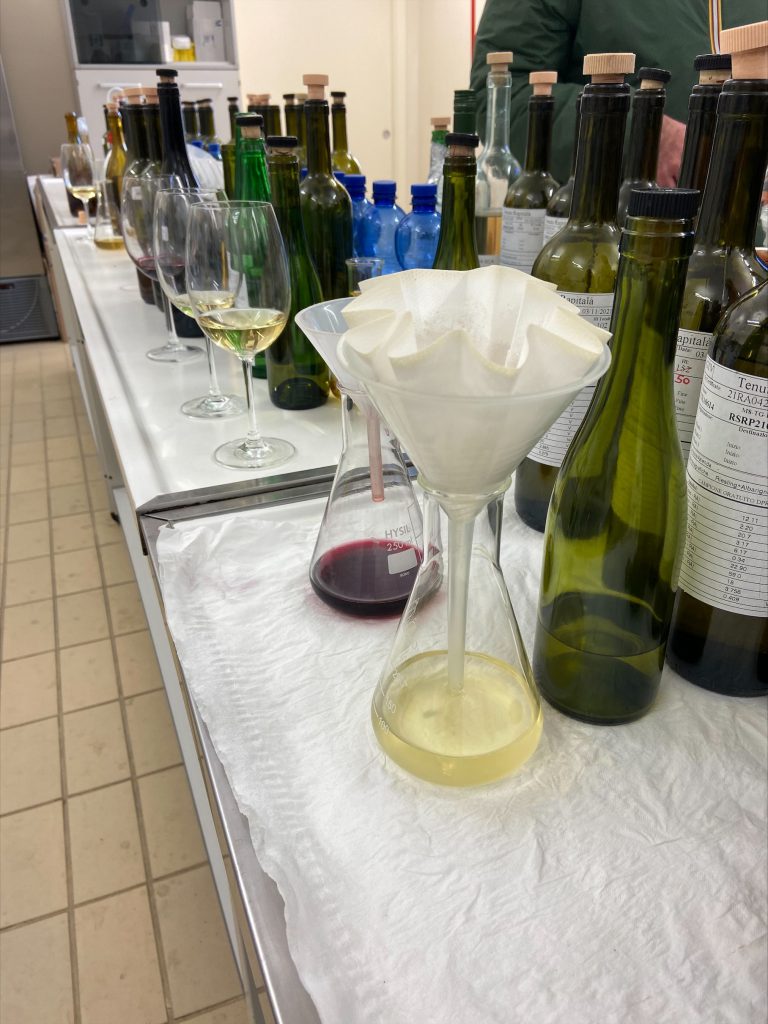
A lab lined with tables of various wine bottles, use for experimentation.
A current wine blending experiment.
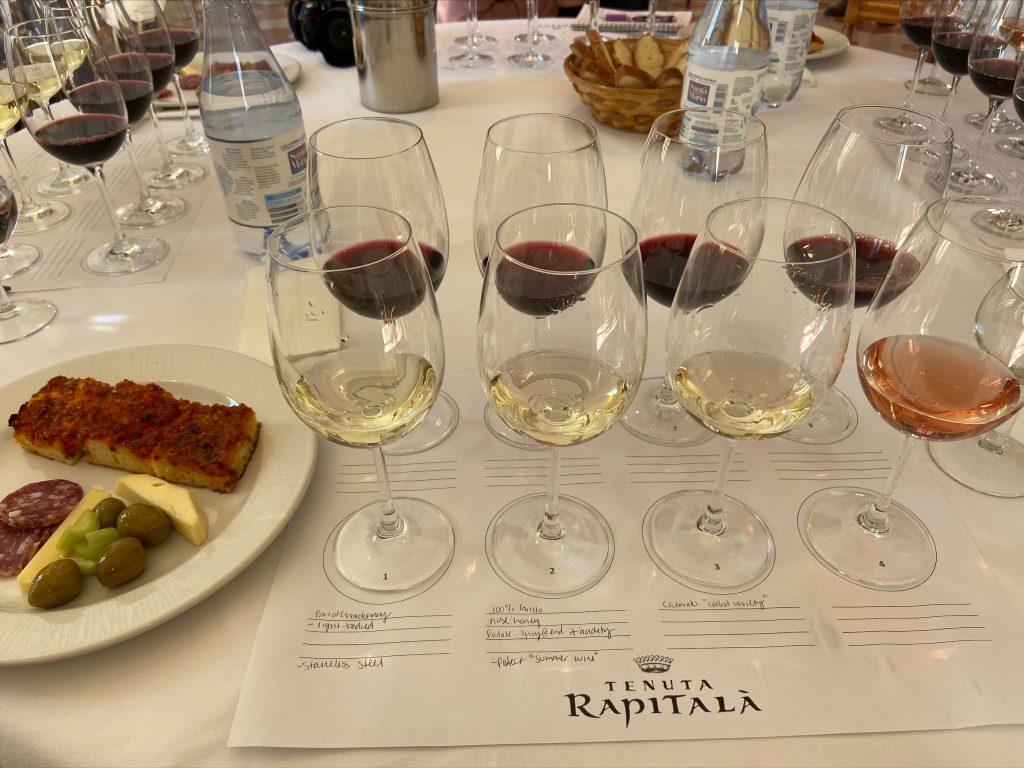
After the tour of the different facilities of Tenuta Rapitalà, we were welcomed to the tasting room by Count Laurent, to taste some wines! We tasted eight wines, all with their unique smell and taste characteristics. As we were tasting, Count Laurent guided us with a few historical facts and tasting notes, making the experience pleasant and complete. He even surprised us all by gifting everyone a bottle of red wine. What an experience!
A table line with glasses of red, white and rose wines for tasting.
Our tasting of red, white, and rose wines

Propagating Vines and Fortifying Wines

Ciao and good morning! This post was written by Megan Stanek, a junior majoring in Wine Studies
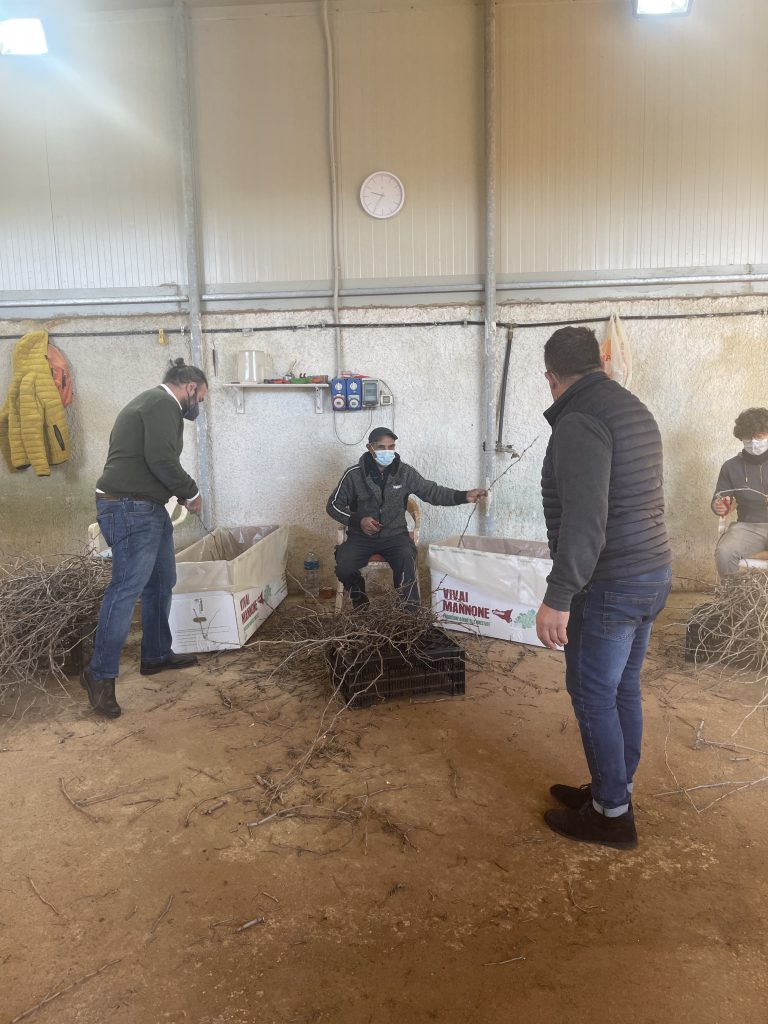
We started the day with an early wake up call to get on our bus and head to Marsala. Marsala is a region known for their production of the Marsala fortified wine, as well as a multitude of different foods and other indigenous products such as olive oil and seafood dishes. Our first stop of the day was to the Vivaio Manonne vine nursery. The nursery specializes in crafting rootstock to young vines to prevent against phylloxera outbreaks as well as several other pests and diseases that the vines can be exposed to. Vivaio Manonne has been working with vines since 1895 in the same location it is now, even with some of the original buildings from the beginning. They started cultivating vines in 1990 with around 20,000 hectares of workspace, to now having between 95,000 and 100,000 hectares. They work with every kind of varietal they can, using 15 international varietals and 54 varieties traditional to the area, furthering the information around the varietals they use, 70% of the vines are white wine and the remaining 30% are red. While touring we were taken along the journey of the vine to being cultivated for root stock. Starting with the cuttings being brought it, we were shown how they are trimmed and cleaned through an automatic machine to make sure they are in the best condition for production. After they are cleaned the vine gets cut into small pieces, cut so that they have one bud on each of them.
Workers at a nursery trim grapevines cuttings.
Skilled workers at the nursery trim grapevine cuttings that will become the trunk of a new grapevine after being grafted onto a rootstock

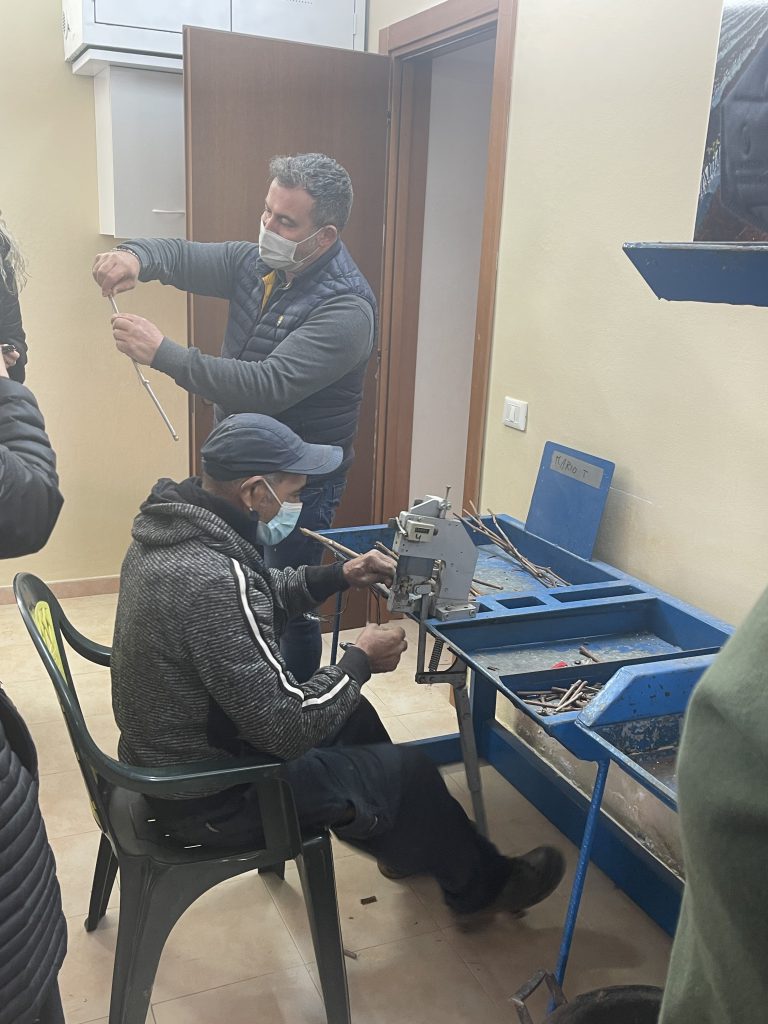
We got to see the method in which they cleaned the vines and cut them. After they are all set and properly taken care of the vines are grafted together using a machine that creates a puzzle-piece-type cut in the vine and the rootstock to ensure the best outcome. After they are grafted the vines are cultivated in a regulated room to start growing, after about 10 days they are moved into the vineyard where they establish roots. Once the roots are establishing the vines are analyzed for their growth then dipped in a specific color of paraffin to be sold. We as a group were also welcomed to try and graft our own vines with the machine they use!

Workers at the nursery use a machine to punch shapes out of the vine cutting.
The nursery team shows us how to use the machine that punches puzzle-piece shapes out of the vine cutting and rootstock so they can slip together to form a new vine customized for the vineyard for which its ordered
The next stop on our day was to Florio Marsala Winery. While at Florio Marsala we got to hear to history of Marsala wine. Our guide shared with us the story of an English man who came to Marsala in 1773 to try the wine, while he was there, he wanted to bring some wine back with him to England, but he had to add alcohol to the barrels to preserve the wine for the duration of the trip, thus the first fortified wine was created! Our tour of Florio took us though their barrel rooms, one of the first of many incredible sights was the second biggest barrel in the world, placing second in a contest held in San Francisco during 1915, This barrel could hold 62,000 liters of wine! After that we there was a part of their cellar called the Garibaldi room. Which if the name didn’t spoil it was dedicated to Giuseppe Garibaldi who just so happened to be close to the Florio family. So close that he donated some of the arms used in the unification of Italy to Florio, which are on displayed in the cellar. Hearing and seeing the history of the family and of the region really opened my mind to how historic this winery is to the region, and the story continued to grow when we got to the barrel room. Here they store more than 3,000 barrels of wine with varying vintages. The oldest being from 1939 and 1941 which are not only valuable because of their age but also because they survived the bombing from the second world war.
An enormous wine blending tank.
The enormous blending tank at the historic Florio winey in Marsala

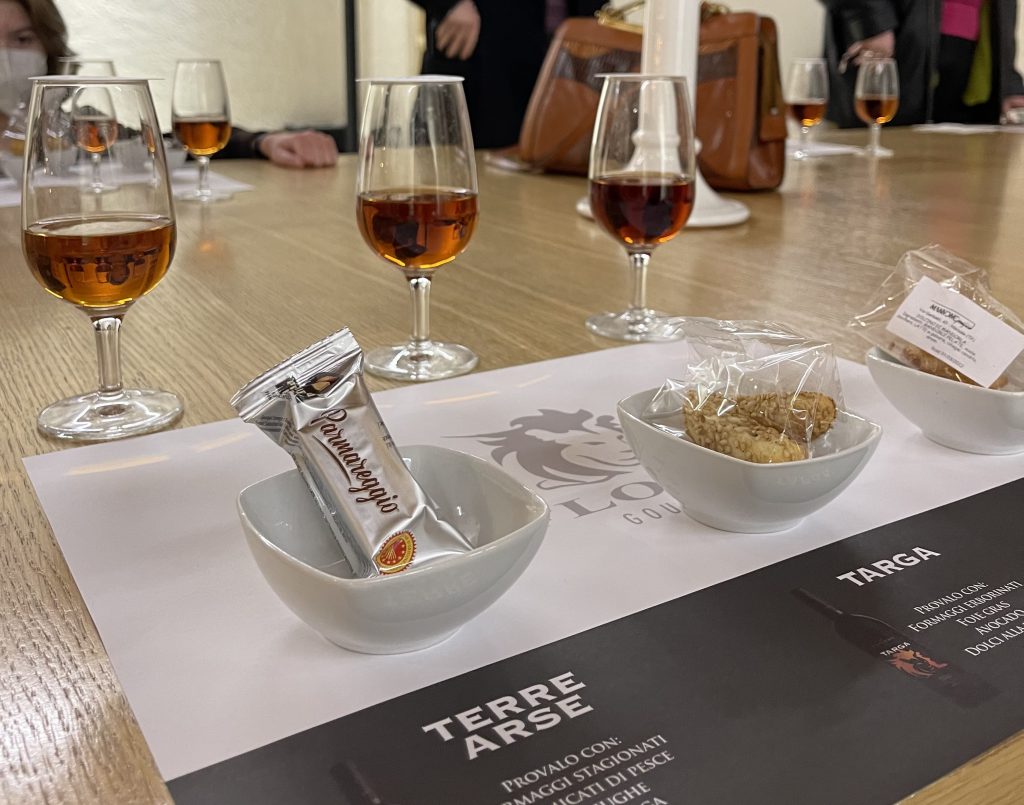
After the tour, we were able to taste three of their wines:  Marsala Fini, Superiore Reserve from 2006, and Superiore. Each of the Marsala was unique in taste and flavor profile. The different types of wine are based on their time aging and the amount of boiled and concentrated grape must (unfermented juice) added to the blend.

Glasses of 3 premium Marsala wines paired with food.
Our tasting of three premium Marsala paired with a food at Florio

Next, we headed out to our last destination of the day Alagna Marsala Winery for a tour of the winery, lunch, and a tasting. Our tour of the grounds started with us meeting owner, who told us about the history and genral information of the winery. Alagna was founded 75 years ago in 1946, and has been a family business ever since, in its third generation now. The winery itself is around 3400 hectoliters producing 1,400,000 liters of wine. Something interesting I learned is that the temperature in the natural caves under the winery stays the same all year. One of the most fascinating parts of the winery tour was when they took us down to a 1,000-year-old“cave” were they blend Merlot, Nero D’avola, and Syrah for 6 months in oak wood. They use this “cave area because it keeps cool all year and the humidity levels are perfect for the aging barrels.

After tour we had a three-course meal all paired with wine. The appetizer consisted of olive oil with bread, pizza, salami, cheese with orange blossom honey, olives, and toast with olive spread all paired with the wines from the winery. After the appetizer we had arancino, which is a Sicilian delicacy made with rice, vegetables, and a tomato and meat sauce traditionally. Lastly, we had a baked pasta to finish the main course. Dessert was oranges with one of the sweetest Alagna Marsalas poured on top, cannoli, sesame biscuit, candy biscuits and a 1,000-year-old Sicilian dessert of traditional bread soaked in Marsala. The wines that we were paired with the meals were threetypes of Marsala, Grillo, Syrah, Lanni, Vermouth, Zibbibo, Mascato, and a variety of Marsala-based cremes.

A table set with multiple styles of Marsala wine paired with food from the region.
Our lunch of multiple styles of Marsala paired with traditional dishes of the region

After a full day of exploring the wine region and getting to taste some of the best wines in the world, we decided to see a salt farm on the coast. Sadly, the facility was closed, but we did get to explore the area and see the areas where the cultivate the salt and how they produce it. Our guide told us that they harvest the salt through evaporation over time. The saltwater gets pushed in from the sea into the calderas where the water gets trapped and slowly evaporates leaving behind fresh crystals of salt to be harvested and sold. Fun fact about the evaporation process:  you can tell how much evaporation has occurred based on the color of the water- the pinker it gets the more it has evaporated.

A large stream used for salt production,  which slowly evaporates leaving the salt;  blue skies above.
Salt production in Trapani

Ancient Vines, Young Soil

This post was written and photographed by Sofia Zielinski, who’s majoring in Wine Studies and minoring in Studio Art

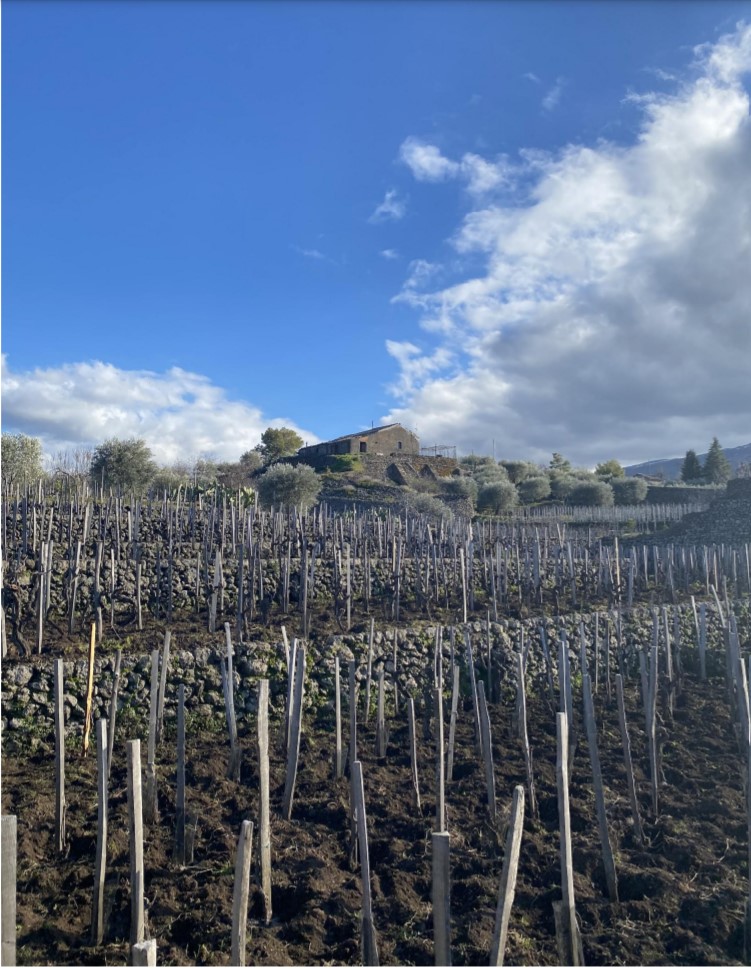
Chestnut wood stakes and centuries-old terraces fill this vineyard on Mt. Etna’s northern slope

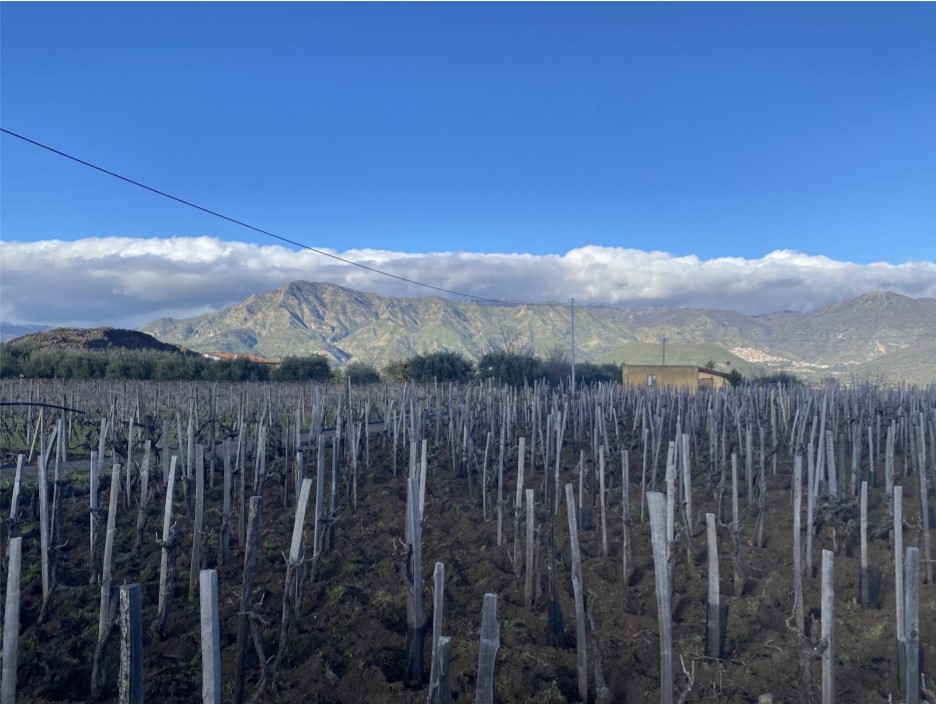
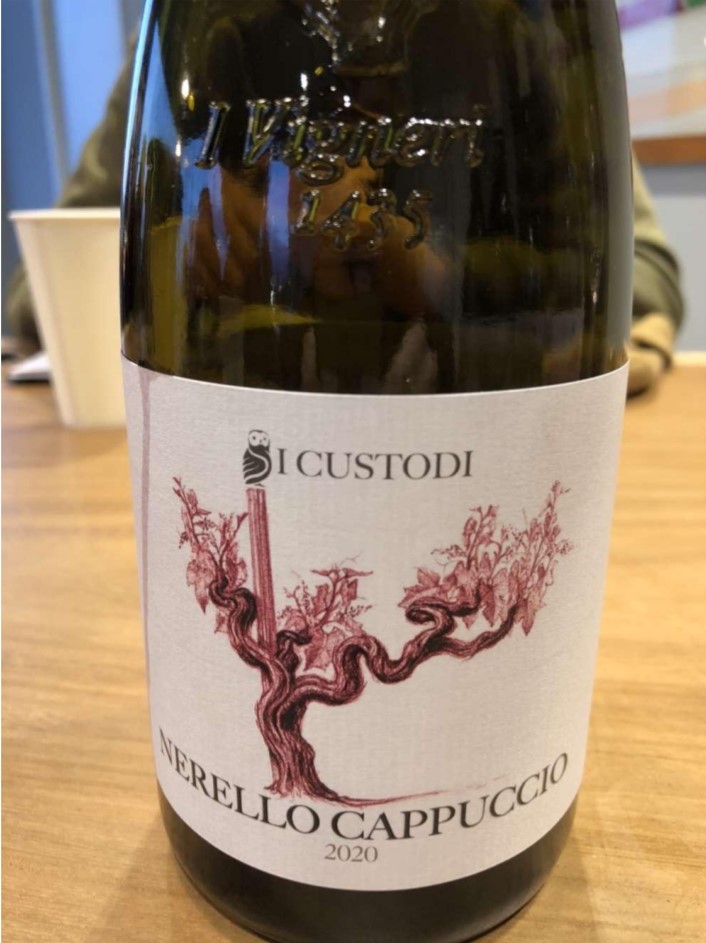
Today we visited Mario Paoluzi’s vineyard and winery ‘I Custodi,’ which is located in Sicily, Italy, in the Etna DOC wine region. Mount Etna is one of the most active volcanoes in the world, erupting around 50 times last year. His vineyard is located on the northern side of the volcano with the lowest elevation on his property being 650 meters, which is about 1950 feet above sea level. I Custodi operates very traditionally and naturally, using only chestnut wood poles and string to train the vines, and having no plastic, metal or other foreign materials in the vineyard. Everything is done in an organic way in order to respect the land, the people and the traditions
that have been practiced there for centuries.

Each grapevine in this 200-year-old vineyard is individually staked in a system called “albarello,” meaning little trees

The Custodi vineyard has a wide range of vine ages, some newer, being less than 10 years old and some up to 200 years old. Grape vines are of the few fruit producing plants that remain productive after so many years. The older vines produce less fruit than the young, and for this reason Mario has planted much more vines per acre than we would typically see in a younger vineyard in the US. Oregons oldest vines go back only to the 1960s and seem old to us, yet have nothing on these old world vines.

Mario’s vineyards aren’t particularly large but the location of his vines have led to very unique high quality fruit that have allowed him to have a very successful career.

The wines have very distinct characteristics that you will only find in this region. They are very complex in mineralogy given the volcanic soil the vines grow in, and they also have very prominent acidity to them. It’s fascinating just how much wines vary throughout the different areas surrounding mount Etna. A wine grown on the north side can taste completely different than one made with the exact same grapes and vinificarion process that was grown on the westside.

I Custodi’s wines show a minerality and acidity that runs through the wines from this part of the Etna DOC

A Unique Start to Life in Aix

Bonjour à tous!

My name is Emma Libby and I am a current Junior double major in Wine and Journalism at Linfield. I began my journey abroad a little differently than most this semester. Originally I was set to leave during the early start program departing on the 15th of January, however, Covid-19 had other plans in store for me. I contracted the virus over the holidays and my mom contracted it after me. This resulted in my delay to the regular start which was set to depart January 21st. Once again, Covid-19 had other plans in store. Due to further complications in the prolonged exposure to the virus I had to make a decision to show up after classes had begun or choose to study abroad in the fall. I thought to myself, “I have worked too hard to give up now!” So, I decided I would arrive late and leave January 30th.

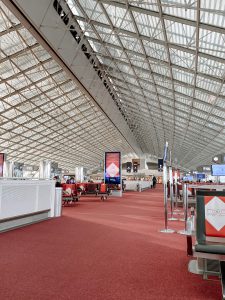
Bright red carpet flooded by morning sunlight streaming through the ceiling of windows in the Charles De Gaulle airport in Paris.
This photo was taken as I was finally calmed sitting at my gate waiting for my new flight to Marseille.

With that set in stone, I left on the first plane headed to Charles De Gaulle Airport in Paris with a connecting flight from there to Marseille. However the connecting flight left an hour after my first one was set to arrive, leaving very little wiggle room for error. Turns out my first flight was delayed almost an hour, and once we arrived I had 30 minutes to catch my next one. This would have been doable if there weren’t 9 other flights set to leave at that same exact time causing the customs line to be backed up for 20 minutes. With some panic I realized I missed my flight, luckily I had amazing help in rescheduling on the next available flight a couple hours later.

Once I had finally arrived that Monday, a friend of mine was available to pick me up at the airport in Marseille and officially give me a warm welcome to France.  I was happily greeted by my host mom and thus, my life in Aix was about to begin!

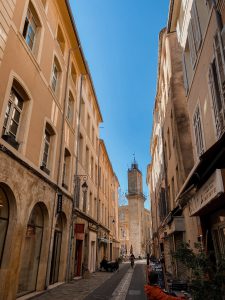
Alleyway looking toward a clocktower, with clear blue skies and the sun still creeping over the side of the left building. Tan buildings line the street.
One of the many roads in the heart of Aix that lead to where I need to go to school. Beautiful walk every morning for class.

I fought the jetlag the following morning as I took the 30 minute walk to class through town. The walk was brisk but beautiful as the bright blue morning sky contrasted against the rustic tan and aged buildings lining the cobblestone street. Pigeons scattered the sky as equally as they crowded the roads. The streets were lined with shop after shop, smells of freshly baked breads and pastries filled the air and I knew I made the right decision despite all the challenges, this was where I was meant to be.

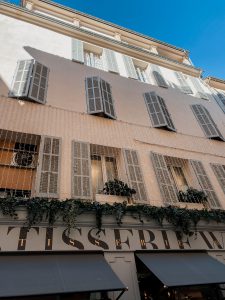
Looking up at the Patisserie with windows to apartments above. The building is decorated with hanging twinkle lights and hanging plants over the side of the patisserie.
Passed through the heart of the town and saw Weibel Patisserie decorated in a warm and welcoming way.

The moral of this start to my journey is:  don’t be afraid to take that adventure no matter how many times the plan may change because you never know what stories you will find along the way!

Emma

Turisteando Quito

Traveling and doing touristy things has been heavy on my mind, but also difficult due to Covid. In my first two weeks in Ecuador, I focused on getting adjusted to both my classes and schedule and it became difficult to go on adventures. In combination with the rise in covid cases, there hasn’t been much to do. This has been giving me guilt about wasting my time here, and not going out enough.

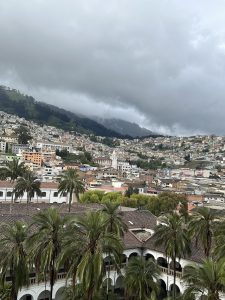
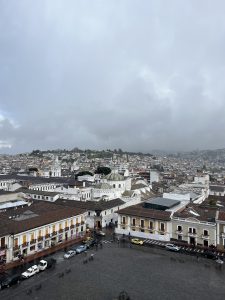
However, this weekend I finally got out and decided to do some exploring. On Friday, Vanessa and I (another Linfield student) decided to explore el Centro Historico de Quito. This is the oldest part of the city and has been preserved to maintain its colonial architecture. There are also museums and churches here which contain some of Ecuador’s most important artworks. During this outing, we went to El Museo Fransciscano del Padre Almeida. This is both a museum and a convent and it has both beautiful sculptures and paintings. You can also go up to their tower and there’s an amazing view of the entire historic center. Although it was rainy, as Oregonians we were used to it and still able to enjoy such a beautiful part of our new city. 

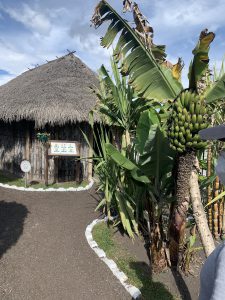
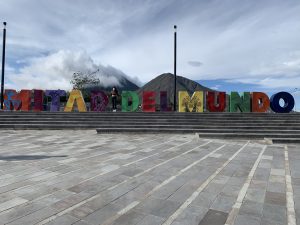
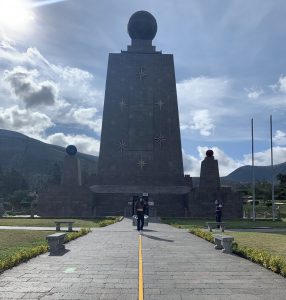
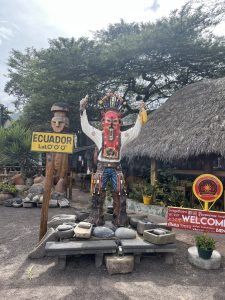
This weekend continued to be exciting as the international students organized an outing to “ La mitad del mundo.” Ecuador is named after the Equator because Quito is located where the Northern and Southern hemispheres divide. At this location, twenty minutes north of where I live, there are two museums where you are guided through Ecuadorian culture and other interesting phenomena. For example, you are able to balance an egg on a nail, step in both the northern and southern hemispheres at the same time, and guess the exact time of the day by the sun’s shadow.

While we were here, we were able to “tour” Ecuador’s various regions and see recreations from different locations and their cultures. There are over a dozen different “nationalities” within Ecuador and each group has its own customs, dialect (and/or language), and way of life. After we toured both museums, we went into the little shops for souvenirs, artisanal wine, and other Ecuadorian delicacies.

We ended the night by going to an Ecuadorian classmate’s home to hang out and dance. Overall, It was a successful weekend full of meeting new people and seeing new places! 

Un Abrazo,

Salma Galvan

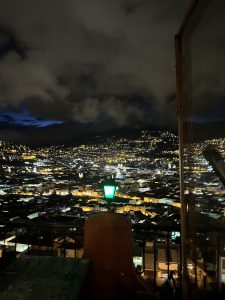
The night lights of Quito.
Quito at night
Centro historico de Quito
Buildings in the historical center of Quito.
Centro Historico

Palm tree-lined driveway to an exhibit.
Mitad del mundo Exhibit
Mitad del Mundo sign
Wide driveway up to the world museum in Quito.
Center of the world museum
Signs in front of the Mitad del Mundo entrance with a statue in front.
Mitad del Mundo entrance
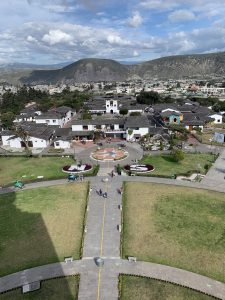
View of the city, the streets and a grassy area from top of Mitad del Mundo museum
Views from top of Mitad del Mundo museum

Adjusting to the city life

The past few weeks in Ecuador have been full of learning experiences not just in terms of getting adjusted to a new culture, but to overall city life. After living in a small town my whole life, there are a lot of changes that come with living in a city of over 2 million people.

Some of the biggest differences are due to Quito’s geographic location. Each day the sun rises and sets at the same time and there is never any question about that. On the other hand, the weather is extremely unpredictable and there are no marked seasons like there are in Oregon. Arguably, the hardest thing to adapt to is the altitude as Quito is ​​9,350 feet in elevation. Due to this, it’s easy to get sleepy easily, exhausted while only walking a short distance, and it even affects the way your body processes food or alcohol.

Besides these changes, a big difference is the awareness you must have when being in the city. Like most major cities (especially in Latin America), you have to be aware of your surroundings, not take your phone out, and not walk the streets at night. As a woman, one must take more precautions, and it is instrumental that you don’t let your guard down. 

One of my favorite parts of living in the city is taking public transport. There is something very liberating about being able to go wherever you want without relying on another person or having to drive. Nonetheless, the bus can be hard to get used to and also comes with its challenges.

My first time taking the bus was the morning after I arrived in Ecuador. I was still very sleepy, affected by the altitude change, and overall anxious to go to my new university right after a long day of travel. Thankfully, my host mom went with me, but I wasn’t in the best mindset to remember my bus route. Unfortunately, this would prove disastrous for my first day of school two days later. The morning of, I walked to the station and couldn’t figure out why I couldn’t see the green bus I was supposed to take. I waited and waited with no luck until I gave up and called an Uber. I later found out that I was at the wrong bus station and I had to keep walking for two more minutes to find the right station. On my way back home from the university, I was nervous to take the bus back, but I was determined to succeed despite my failure in the morning. I walked out the gates of the university and I asked a boy on the street if the bus on the side of the street went to Quito. He told me it did, and I got on feeling content that at least I would make it home on the bus. It took me 20 minutes before I realized I was moving in the opposite direction and going to Tumbaco instead of Quito. After I realized this, I got off at the next stop where I flagged a taxi to go home. I was so mad at myself and annoyed that the buses were so hard to navigate. However, I learned from this experience and it makes for a funny story about me being clueless in a big city.
Something crazy that happened from this experience is that I found my group of friends. The day after this fiasco, I found the boy who sent me on the wrong bus and it turns out he’s in my Portuguese class! I told him what happened and he felt really bad but we also laughed about it and became friends. Through this, he introduced me to his friend group and we all went out later that week.

Sometimes annoying things happen, but they can lead to good things. Knowing this has made me more excited for all the things that are to come even if they may seem bad at first.

Un abrazo,
Salma Galvan

University patio
University patio
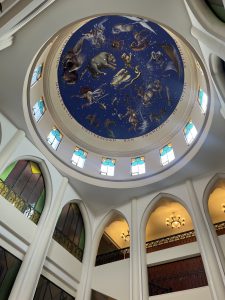
Artwork in the ceiling at USFQ
Artwork at USFQ
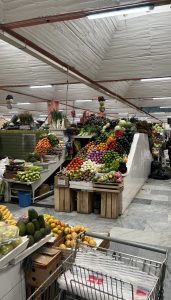
Fruit and vegetable market
Produce market
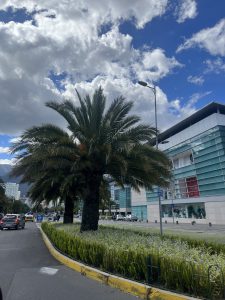
A large palm tree next to a shopping mall.
Shopping Mall
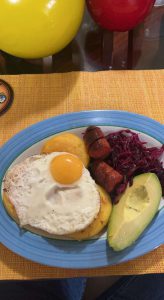
Typical breakfast:  egg on toast, avocado, berries
A typical almuerzo
City of Quito at night showing all the city lights.
Quito at night
Universidad San Francisco de Quito

Irish Adventures

Hello from Galway, Ireland! 

One of the best things about studying abroad is being in a completely new environment from the one that you are used to. My friends and I are very adventurous people that love to get out and explore our surroundings. So far, we have had a variety of different adventures that range from local to a couple of hours away. 

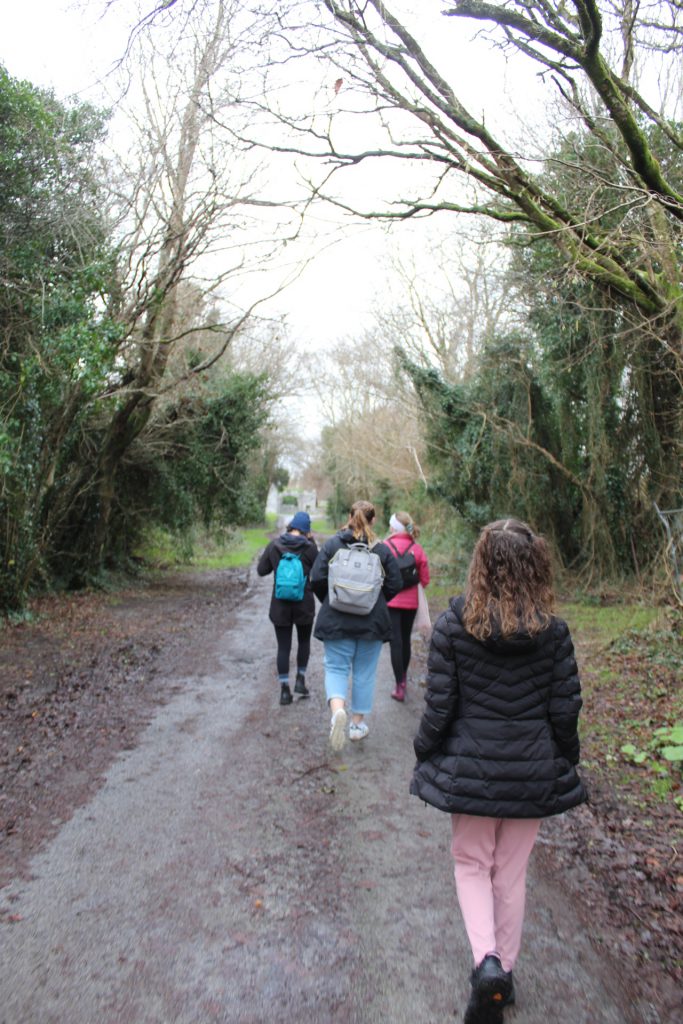
four girls walking away from the camera down a path surrounded by green trees.
adventure buddies

One of our very first adventures in Ireland was to visit a castle. Ireland’s countryside is known for the sprawling green hills, and amazing architecture from centuries old buildings, abbeys, and castles. We decided to go and walk to one that seemed like it was fairly close to us called Menlo castle.
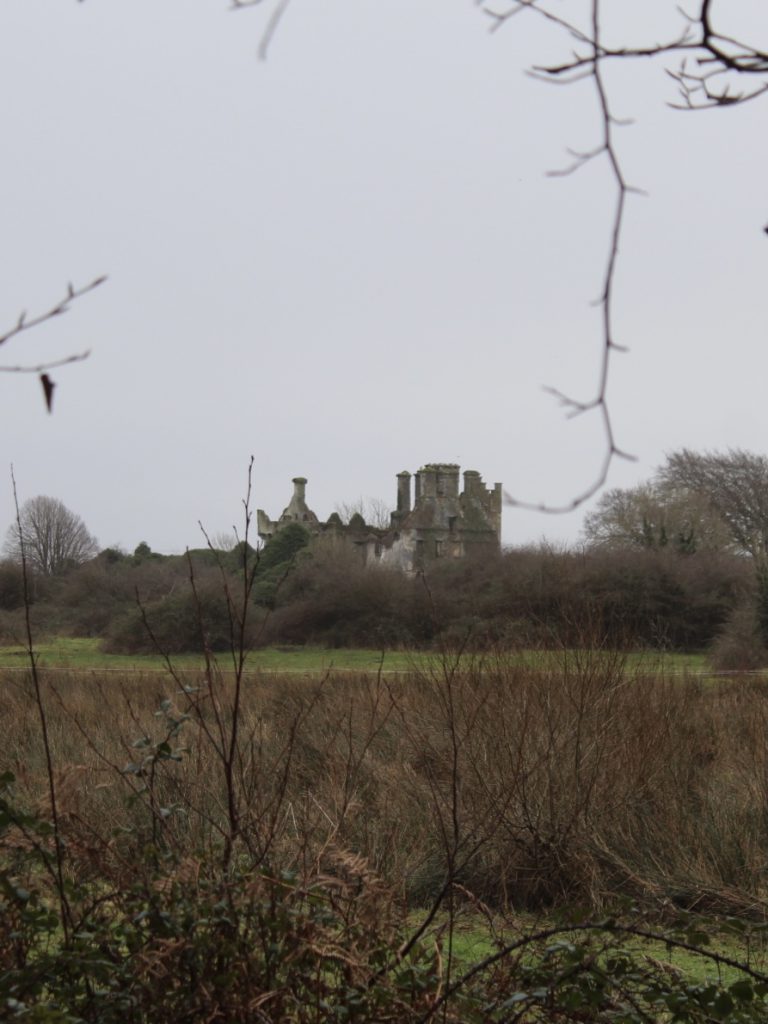
Menlo Castle from a distance with lots of greenery and bushes around it
Menlo Castle

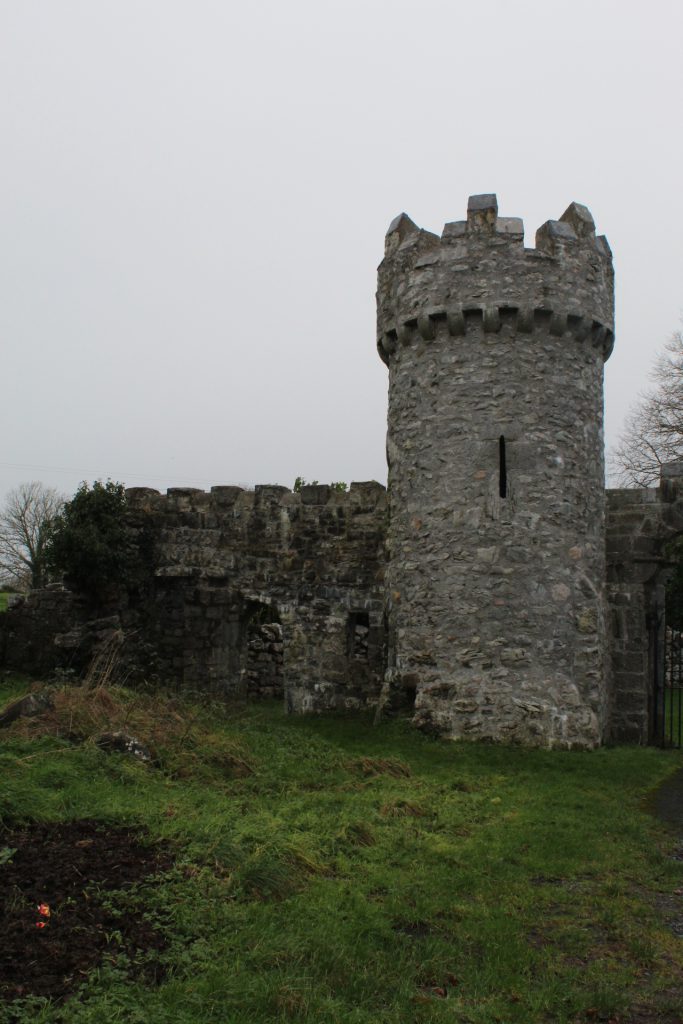
A group of us from Linfield headed out earlier in the day to “hike” the one hour to the castle. The first thing we learned is that you can’t actually walk to the castle, and most of the way we were walking along the side of the road. When we arrived at our destination, we found out that it was closed to the public (always check online first, guys) and we ended up not even being able to see it. We walked to the entrance of the grounds for some cool photos and ended up walking even farther to visit the castle’s cemetery which actually gave us a view of the real castle from a distance.

Old castle entrance showcasing old stone turret and moss covered stone
castle entrance

This adventure ended with a long walk back and into town to get Italian food and ponder over our journey, even though we didn’t do what we set out to do in the first place.

Girl posing in a stone archway, smiling at the camera.
Haley’s new home

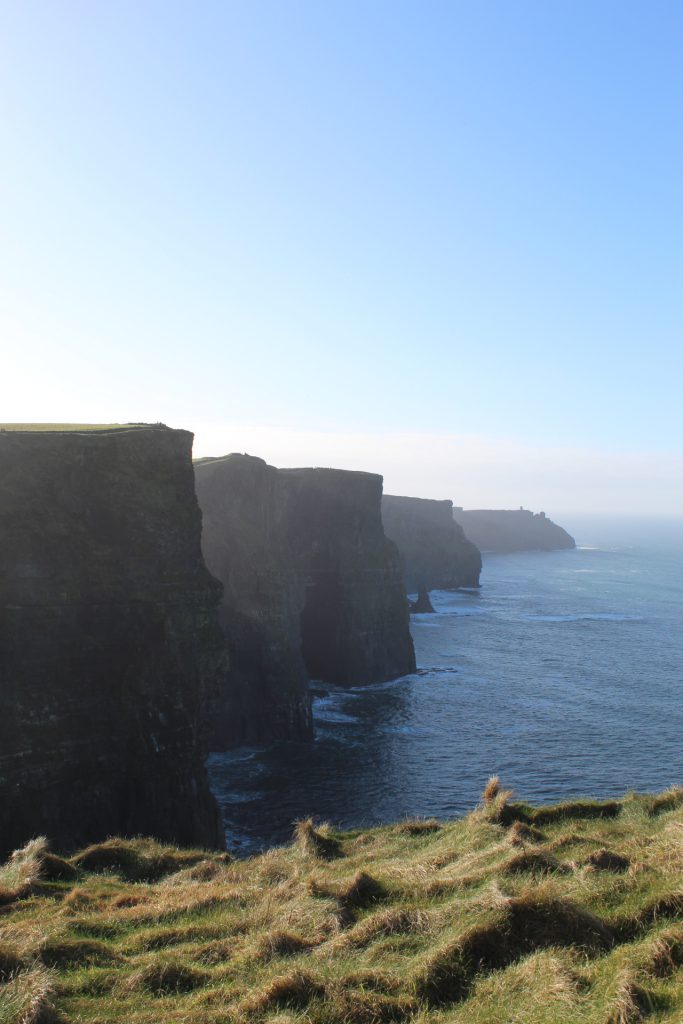
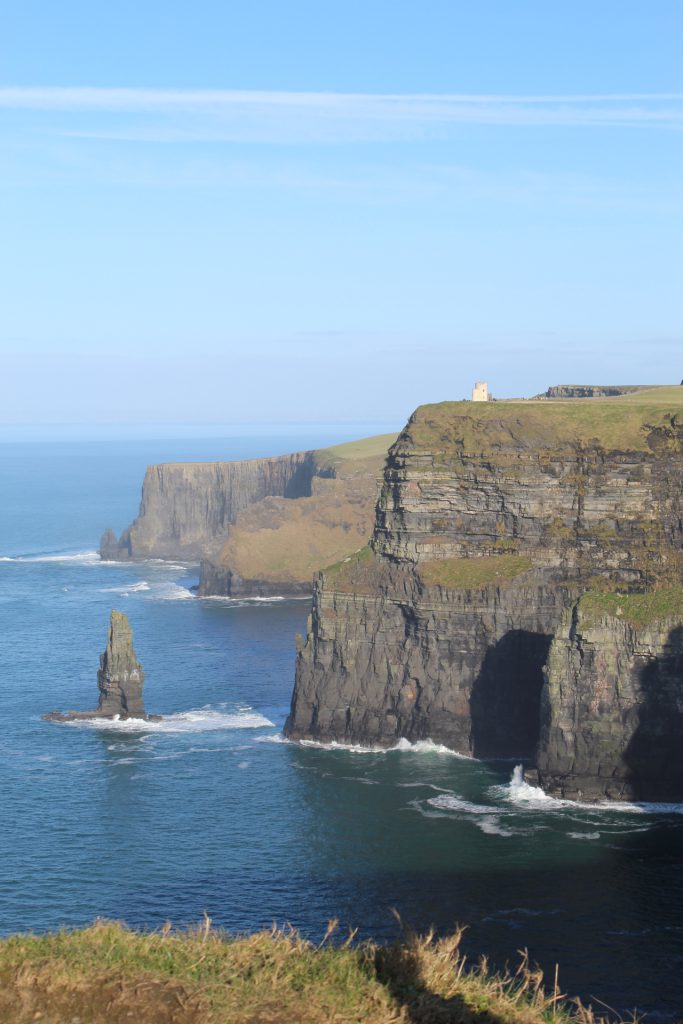
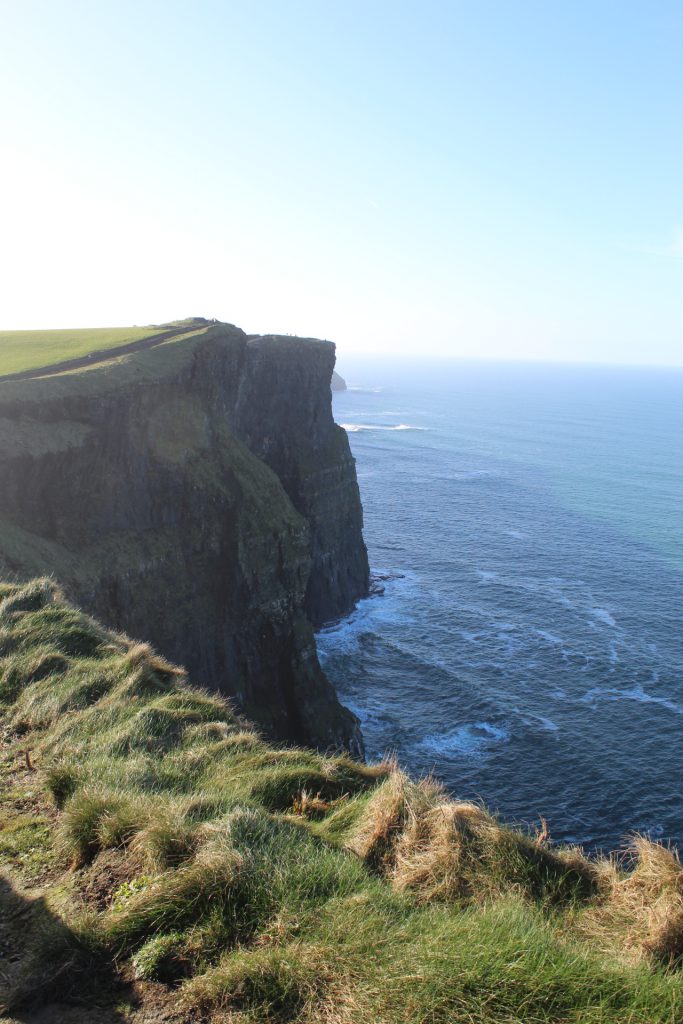
One of my favorite experiences so far has been visiting the Cliffs of Moher. The Cliffs are an attraction that most people visiting the West coast of Ireland set out to see, and our group was no different.

Cliffs of Moher overlooking the ocean.
Cliffs of Moher

We found a bus that would take us to see them earlier in the day and bring us back in the late afternoon for a fairly decent price. After we got off the bus, we purchased day passes and entered to see one of the most beautiful sights in Ireland. The Cliffs left us all speechless and we walked up and down the trails along them to get in every view. We took lots and lots of pictures and even went inside O’brien’s tower at the top of one of the cliffs.

Cliffs and ocean. You can just make out Obrien's tower, and older white building, on the top of the cliff.
Obrien’s tower

We were all happy to look at the view of the ocean and natural beauty that surrounded us for hours, but we eventually checked out the visitor’s center to learn even more about the cliffs around us. We were able to get a hot lunch after the chill of the sea air, get some awesome things from the gift shop, and warm up before the journey home. The cliffs are a must see for anyone visiting Ireland, and we all hope to adventure out there again before the semester is over.

Cliff's of Moher, blue sky, and blue ocean.
the best view

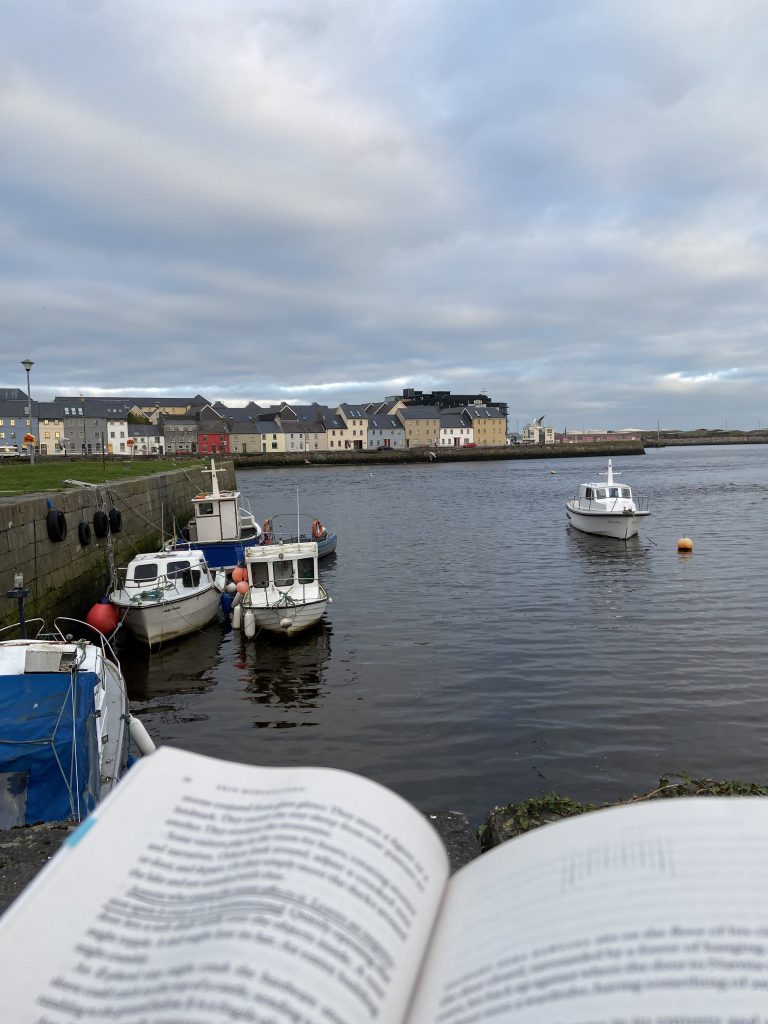
Aside from our bigger adventures we have also been checking out the natural beauty surrounding us every day. We have beautiful beaches close to our school, parks, and my roommates and I have a reading spot down by the water that we like to go to after class sometimes.

Open book, and harbor with a few boats in the water. colorful buildings in the background.
favorite reading spot

Ireland is a beautiful country full of places to explore, and we have lots more exciting adventures in our future here.  

Best,
Isabel Brown 

What I Learned From Month One

Hello from Galway, Ireland!

photo of plane wing in the air. behind the wing you can also see the blue sky and the green countryside.
touching down in Ireland

With a little under a month of my study abroad experience tucked under my belt, I feel like I have already learned so much. This exchange has been a whirlwind of crazy and amazing adventures that I am excited to share with you. To anyone considering a study abroad trip, or even just an adventure to a country you have not been to before, I have a brief list of some of the experiences I have had so far that could help you out with your own adventures.  

Two girls walking down Shop Street in Galway. Shops on either side of them.
Shop Street
  1. Be able to advocate for yourself: Study abroad has proven to have its fair share of challenges as well as all the super fun things. These challenges often put you into situations you have not been in before, and being able to advocate for yourself and use the resources available to you will make life so much easier. Some things that my group has experienced include flight delays/ changes, cards being frozen, not having service, figuring out how to work the showers, etc. We were able to solve all these problems ourselves with help from those around us, and now we have shared experiences to look back on and laugh at.

    photo that displays the Quadrangle of NUIG's campus. Beautiful building with green grass and blue sky.
    NUIG campus
  2. Get involved with the people around you: I was so fortunate to come to this exchange with a group of great people from Linfield, and even more fortunate to live with two of my close friends in our accommodation. While these people have been an amazing part of my experience so far, I was even luckier to be paired up with three other amazing roommates. The three of us from Linfield also live with a girl on exchange from Canada, and two girls from different parts of Ireland.
    picture of 7 girls on a couch smiling at the camera
    roommate photo

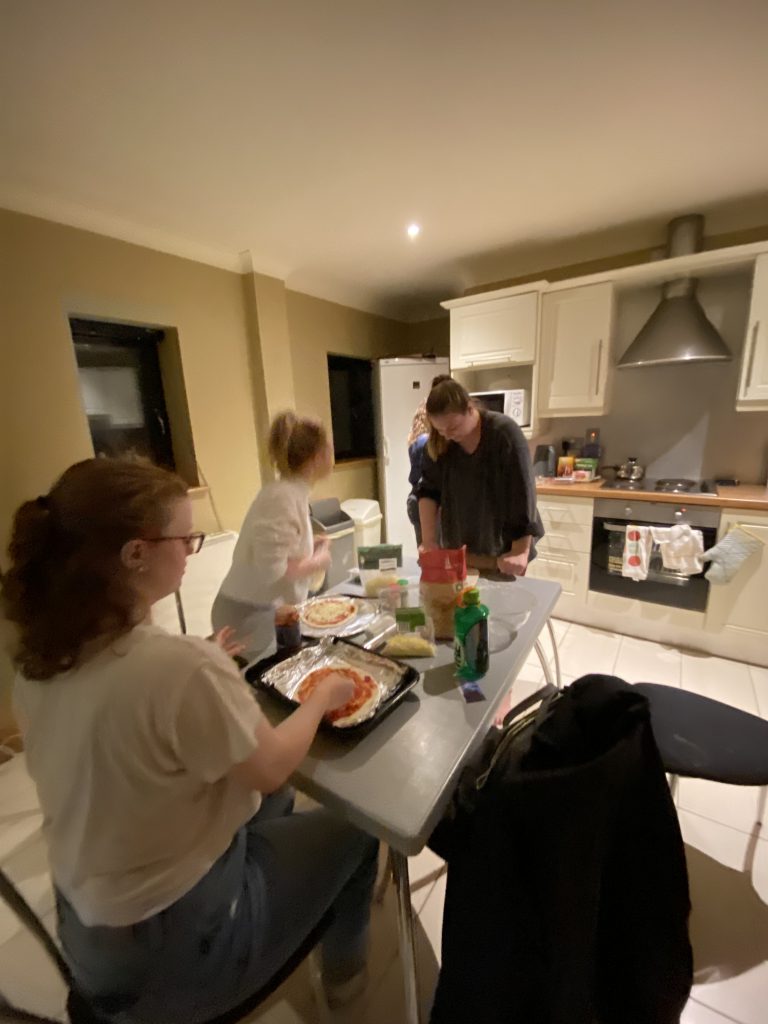
    These people have quickly become my friends, and through them we are able to get an entirely unique experience than we would have if we were just living with Linfield students. The girls from Ireland are able to tell us insider information on the best restaurants, cheapest grocery stores, what classes are fun to take, and so much more. We meet more people through our other roommates and broaden our social circles. I have so much fun living with them and getting close to people from around the world.

    four girls in a kitchen rolling out pizza dough
    roommate pizza night
  3. Manage your time: Being in a new place is so exciting, and it can be hard not to do everything all at once. Something that my group has had to learn to get better at is time management. It is hard because you want to be able to explore across the whole country, try every cool restaurant, go into every pretty store, go to all the interesting classes, and have fun with your friends at the same time.
  4. While you can accomplish all those things at once, we have learned that spreading things out and planning adventures makes it to where we have more energy and overall, more fun. Even though we are only here for one semester, there is a lot of time to spread exciting things out while still getting a great education.

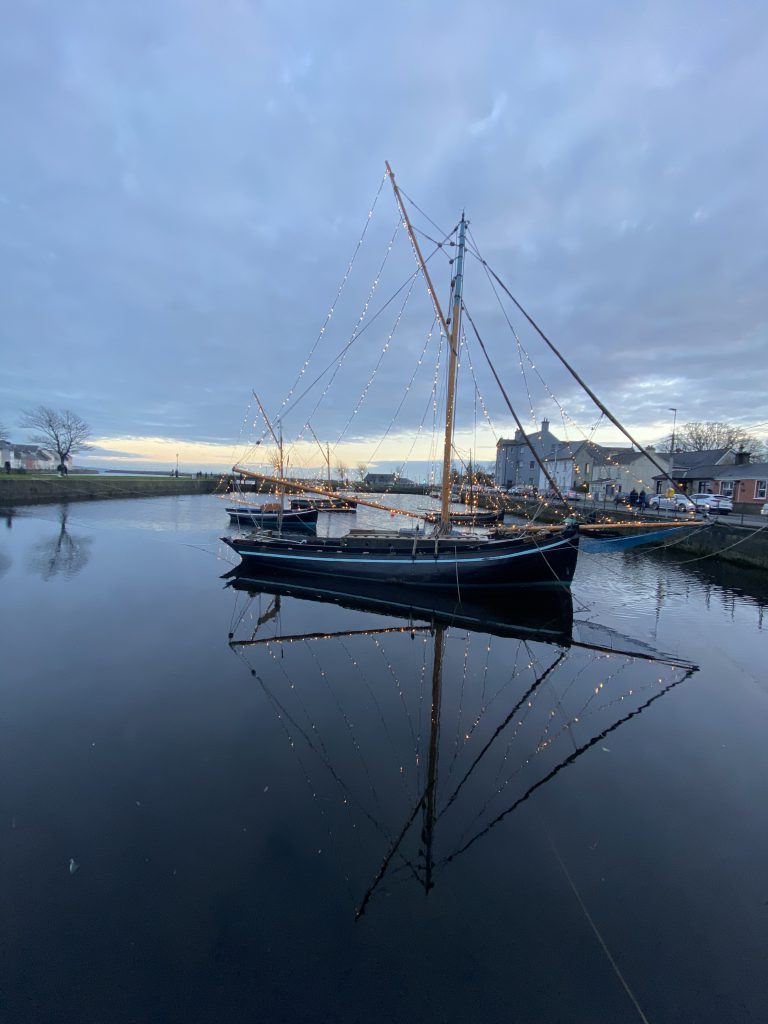
    Still water in a harbor with a boat decorated in Christmas lights
    boat in Galway

So far this semester abroad has been wonderful, and I cannot believe we are just getting started. You really do get a plethora of new perspectives while abroad from things like conversations with roommates and new acquaintances, to having a class schedule jam packed with Irish history, philosophy, archaeology, music, and folklore. I know this adventure, even with its difficulties, has contributed greatly to my life and education experience.  

Best,
Isabel Brown  

Tourists in Palermo

Chloe McDaniel, a senior majoring in Exercise Science wrote today’s post.

Because we had arrived at our new hotel in San Guiseppe Jato late last night, it was too dark to see much of it. This morning, we all emerged from our rooms and were delighted to see a gorgeous view of green hills blanketed by the glowing orange sun. After being awoken by the blindingly beautiful view, we made our way into the dining room for warm croissants and cappuccinos for breakfast. On the agenda today, was a day trip to the nearby city of Palermo. We were all excited, as it was our last day to visit a big city and just be tourists for the day.

The bus ride to Palermo was about 40 minutes. For tonight, we had planned to do a big group antipasti dinner in true Italian style. Each person volunteered to contribute something. For this to happen, our first priority in Palermo was to go to a market.

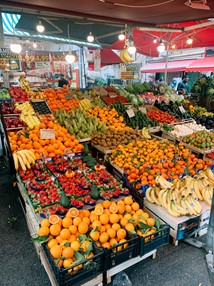
We went to Mercato di Ballaro, one of the two famous markets in the city. “Ballaro” was likely named after the city “Ballhara,”where Arab merchants lived when they occupied Sicily. The merchants would go to what is now called Palermo to sell their goods, similar to what Mercato di Ballaro is known for today. It was overwhelmingly loud, with stand owners shouting bargains at you. It was lively, crowded, and especially colorful. Fruits and vegetables were the star of the show, but there was also bread, clothing, flowers, street food, and more. After a stroll through the market and purchasing things for dinner, we split up into smaller groups to explore the city of Palermo.

An array of vibrant fruits and vegetables at a stand in the market.Mercato di Ballaro, Palermo, Sicily.
An array of vibrant fruits and vegetables at a stand in the market.

My group and I walked just under a mile to a street with lots of cute shops and cafes. Many of us purchased some souvenirs, clothing, and jewelry to take home. The city was gorgeous, with colorful buildings and cobblestone streets. It seemed that each new street we walked had a different feel than the previous. We sat down for lunch and, before we knew it, it was time to head back to the bus. I was sad to leave Palermo, as it seemed there was so much of the city I didn’t get to see.

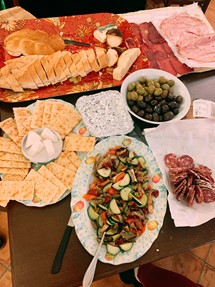
After returning to the hotel, we all met up again for our group dinner with foods we gathered from the market. We feasted on bread, crackers, an assortment of meats and cheeses, olives, fruit salad, and sauteed vegetables. The market food did not disappoint. We all enjoyed trying the array of yummy foods, and then finished with a small pastry. I can’t believe our trip is nearing the end!

bread, crackers, an assortment of meats and cheeses, olives, fruit salad, and sauteed vegetables.
Our group antipasti dinner!

Picking Up some Food and Culture at the Market

Hello everyone!

My name is Giselle, I am  a sophomore majoring in psychology and minoring in communications and neuroscience, and I am in Sicily.

I am currently abroad on a wine studies Jan Term program about volcanic vineyards, and I am here to talk to y’all about what we did today (being January 17th, 2021).

Real quick though, I wanted to address the following:  for those who are thinking about doing a jan term or studying abroad but feel like you don’t have the pre-reqs or the “right major”, what it takes is passion!  I care about wine, I love Italy, and I love traveling.  While on paper it may seem like my major does not fit the syllabus, but let me tell you, it doesn’t matter if you are invested in the subject.  So, if the person reading this has heard about a program that sounds interesting, and you care, and let’s say you have no experiences with the affiliated classes (like me), let me be the first to say, do not let that stop you from applying. I have never taken a wine class but this has been the best adventure and I am enjoying learning everything I have been given the opportunity to experience, and I am an aspiring personality neuroscientist loving learning about volcanoes and grape varieties.

So, onto the point of this blog post. We are in Italy (Sicily specifically) and today was our day to be immersed in Sicilan culture by first hand walking the Catanian fish market. A little background information:

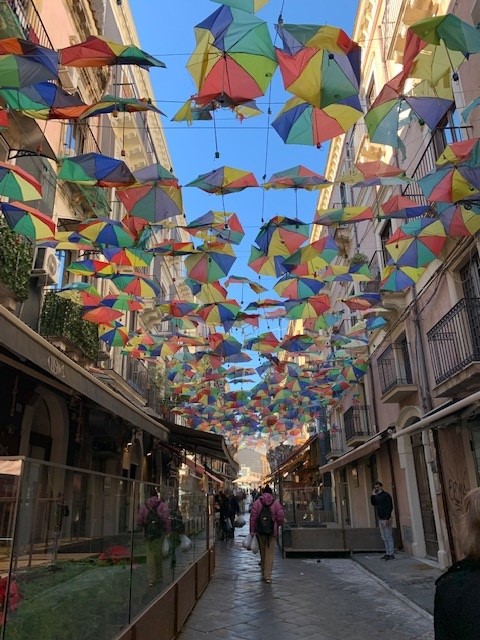
Fish market decorated with hundreds of umbrellas located at Alonzo Piazza, Sicily, Italy.
The colorful Pescheria Catania

This fish market is located in the Alonzo Piazza by the Ameanno Fountain built in the 1800s. This historical fountain was dedicated to the Ameano river that once flowed beneath the city before the Etna explosion of 1669. and happens every Monday-Saturday from morning to afternoon. While it is called the fish market, seafood galore is not only what is being sold. Cheese cashiers, spice sellers, and vegetable vendors alike line the streets to sell their wares. Let me just tell you, you have never seen such fresh food. The fruits and such had been picked that day, and were every color of the rainbow. And most of the seafood was so fresh, it was still alive. 

Wandering around the streets of Catania and stocking up on the best food I have had the privilege to buy, was awesome. We also had a sense of the culture of the fish market. You could tell who sold the best foods, and for the best prices by the size of their lines. The more people, the better the food. Everybody there was also the nicest people I have met. All they wanted to do was talk and feed you, not a bad situation if you ask me. I especially loved it because I am Sicilian and it felt like I was finally experiencing first hand what my mother would always describe her grandmother’s house to be like:  full of life, good food, and good people.

So overall, this little day trip held more genuine cultural experience in three hours than most full day guided tours or sightseeing bus rides. So, 10/10, I would recommend, and for me, all it took was taking the chance to apply. Me, a psych major in a wine studies course!

Sincerely,
Giselle G