
After our week in the Amazon, our Tropical Ecology course shifted focus from the Amazon rain forest to the mountainous highlands that surrounded Quito. While this cold, grassy environment might not be the first thing you think of when you hear “tropical”, since they are in the tropics regardless, they can still be considered a tropical environment.
The highlands of the northern Andes are known as the páramo, and are classified by low shrubs and grasses, high winds, and fluctuating temperatures, much like many other mountainous environments around the world. Much like with the Amazon, our understanding of this environment was deepened by a long field study, although this one was only three days, quite a bit shorter than the almost week-long Amazon trip.
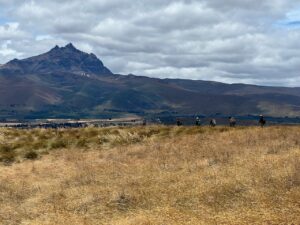
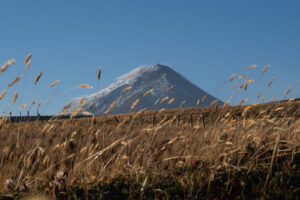
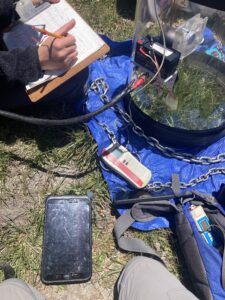
During this trip, we were based out of a mountain lodge on the slopes of Rumiñahui, a small mountain just north of the Cotopaxi volcano, arguably Ecuador’s most famous mountain. It was an older but very cozy place, and stayed nice and warm during the nights, when the temperatures would sometimes drop below freezing due to the altitude, dry climate, and high winds. Our fieldwork on-site consisted of soil sampling and observational work, using soil nutrient and chemical analysis devices to determine the quality and water-carrying capacity of the soil; the soils of the South American páramos also function as massive water reservoirs, meaning that they are extremely important to not only Ecuador’s natural ecosystems but its human residents as well. We also spent a lot of time hiking around the nearby mountains and identifying local plant and animal species so as to better understand these mountain ecosystems.
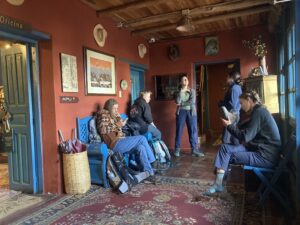
Overall, while the páramo trip might not sound quite as exciting as our week in the Amazon, I personally found it to be really interesting and enjoyable, with a lot of time to ourselves to explore this area of the Ecuadorian Andes on our own terms in addition to our class activities. However, our time in the mainland was coming to an end; soon, we would be transferring to the USFQ’s Galápagos campus, where we would be spending the rest of the semester.
While it was a shame to be leaving soon, the prospect of going to the Galápagos – the location this program is focused on, after all – was extremely exciting to all of us.
Kai